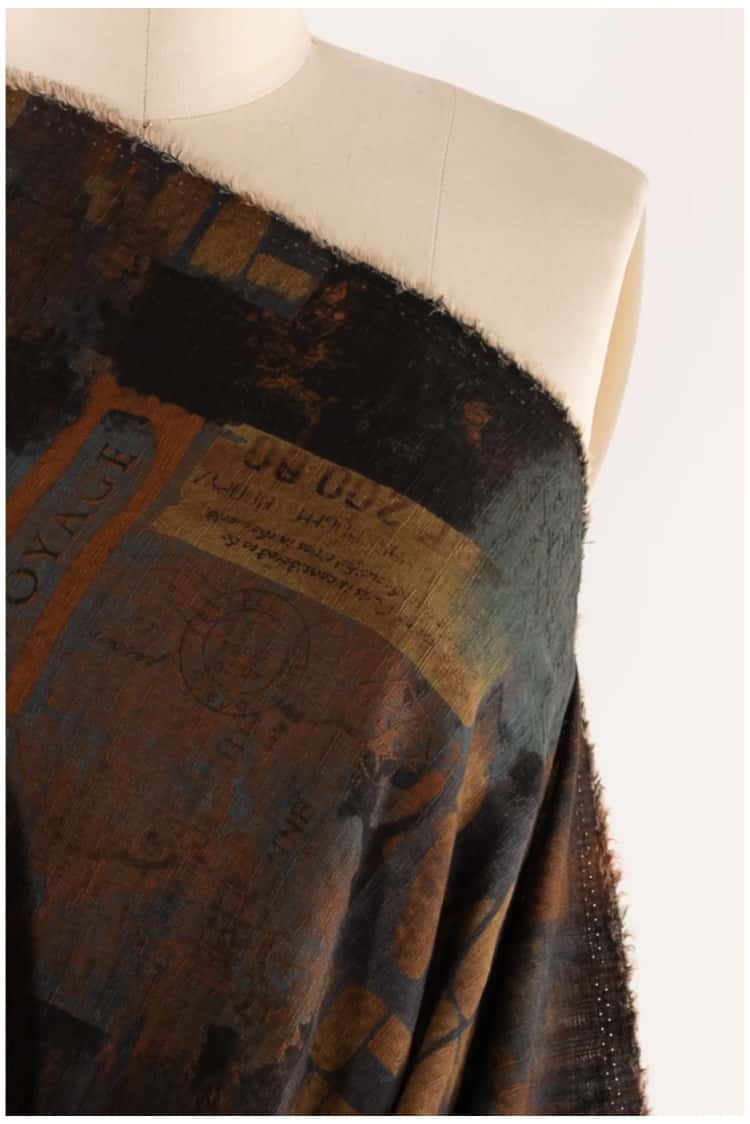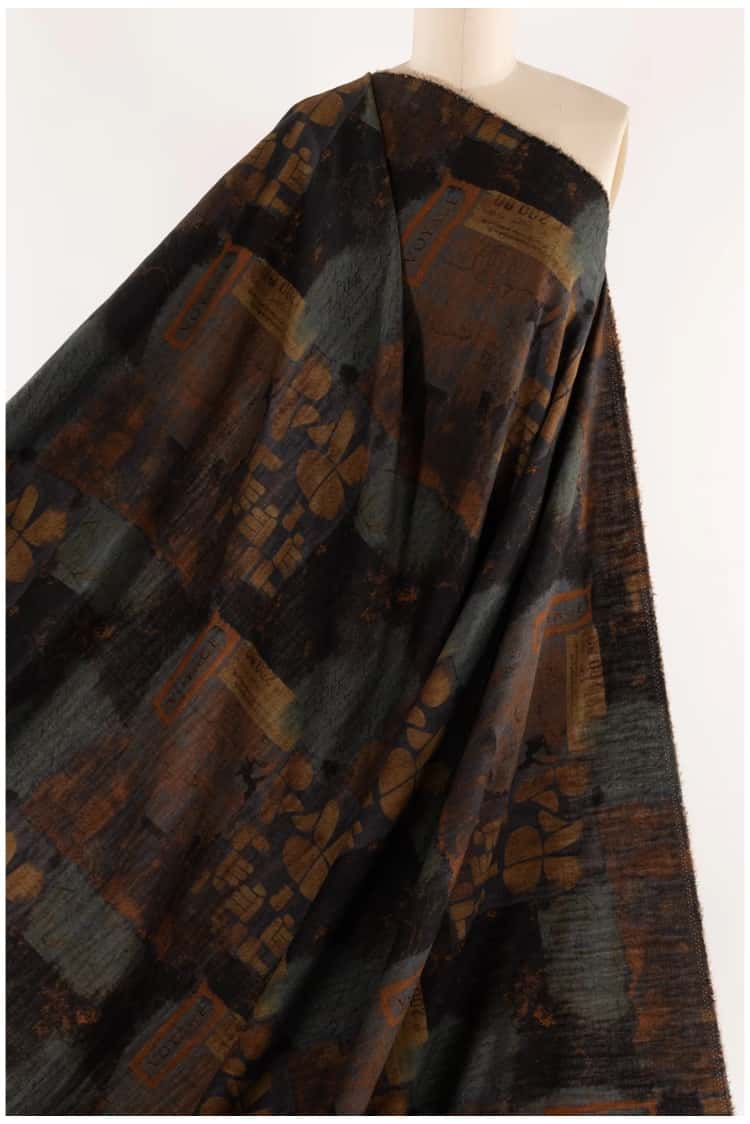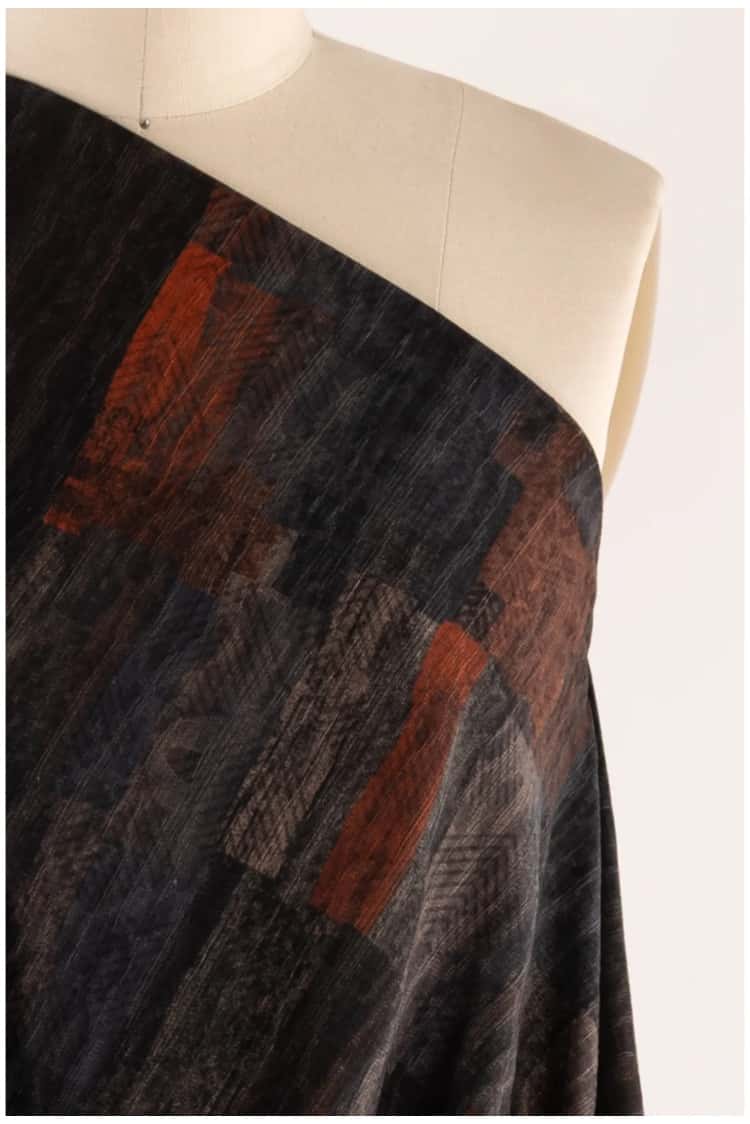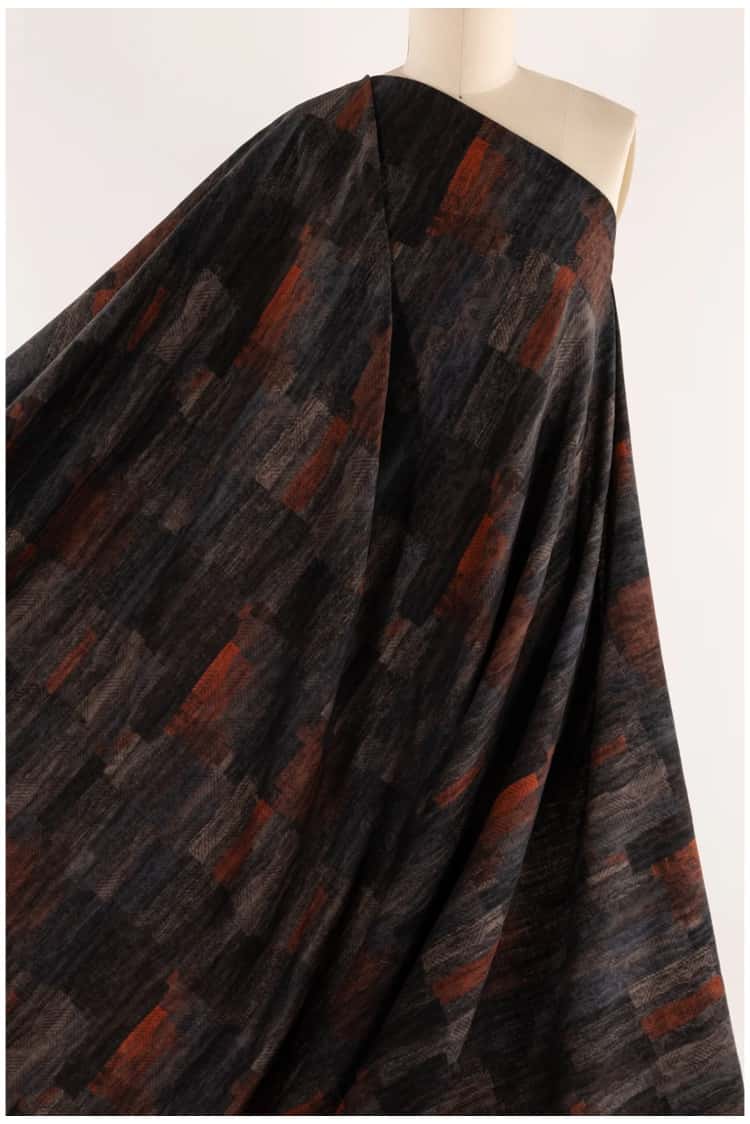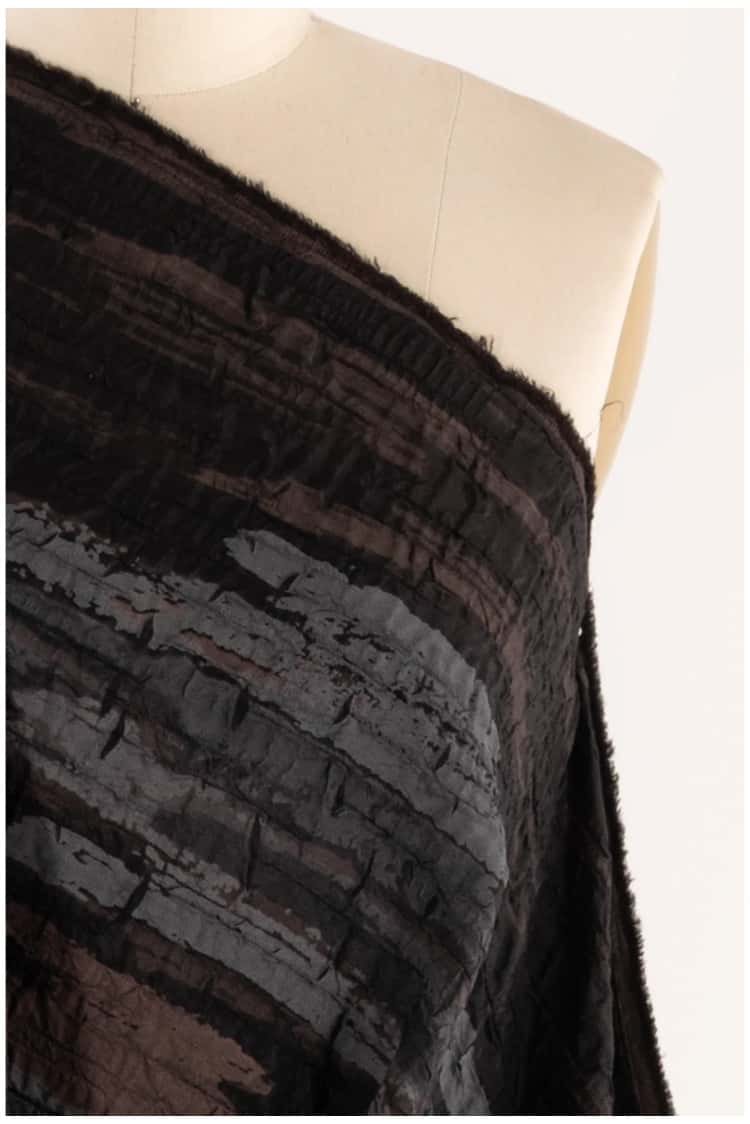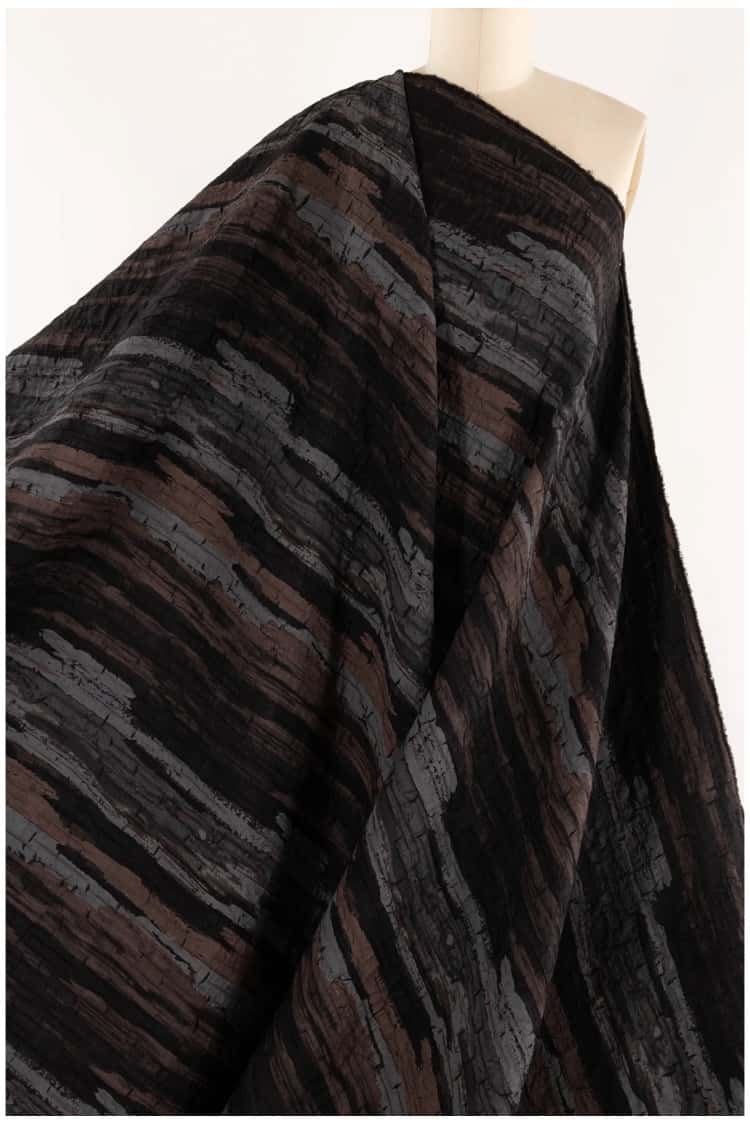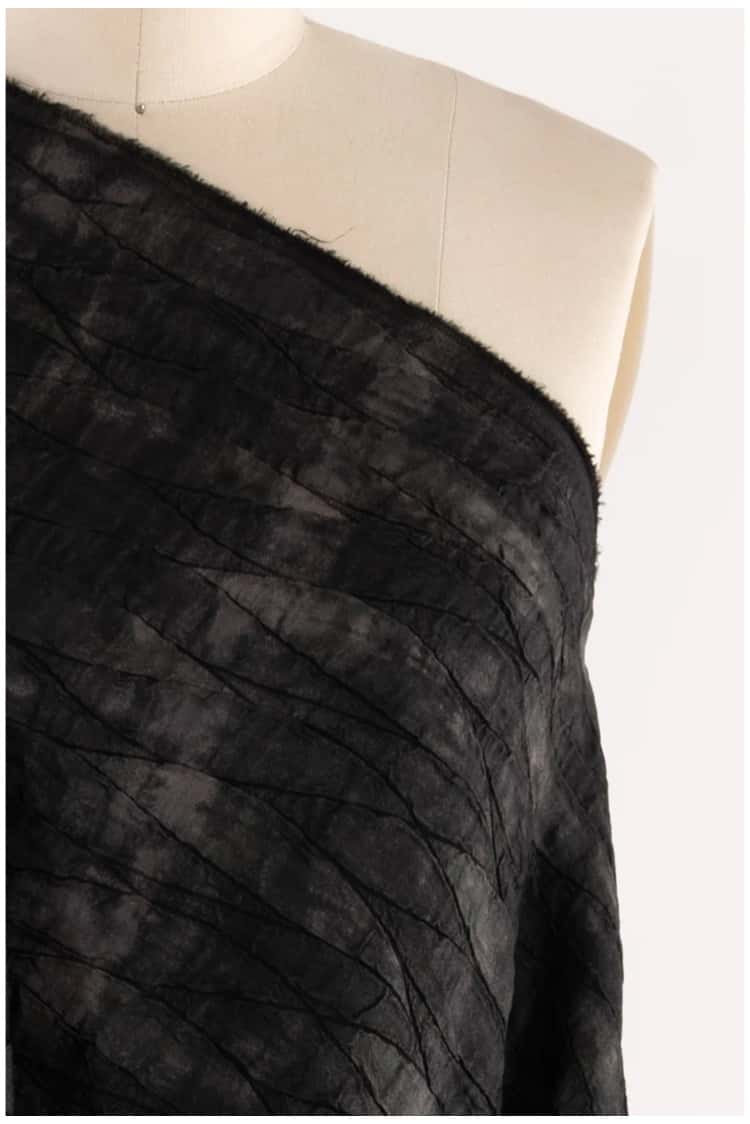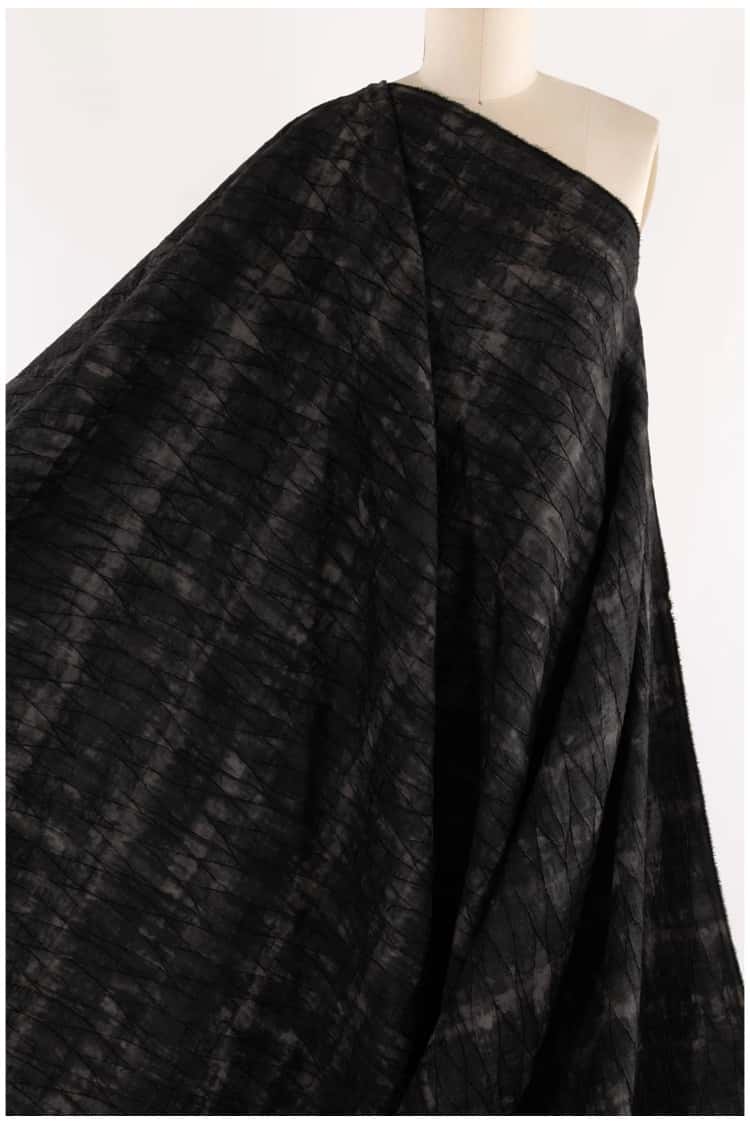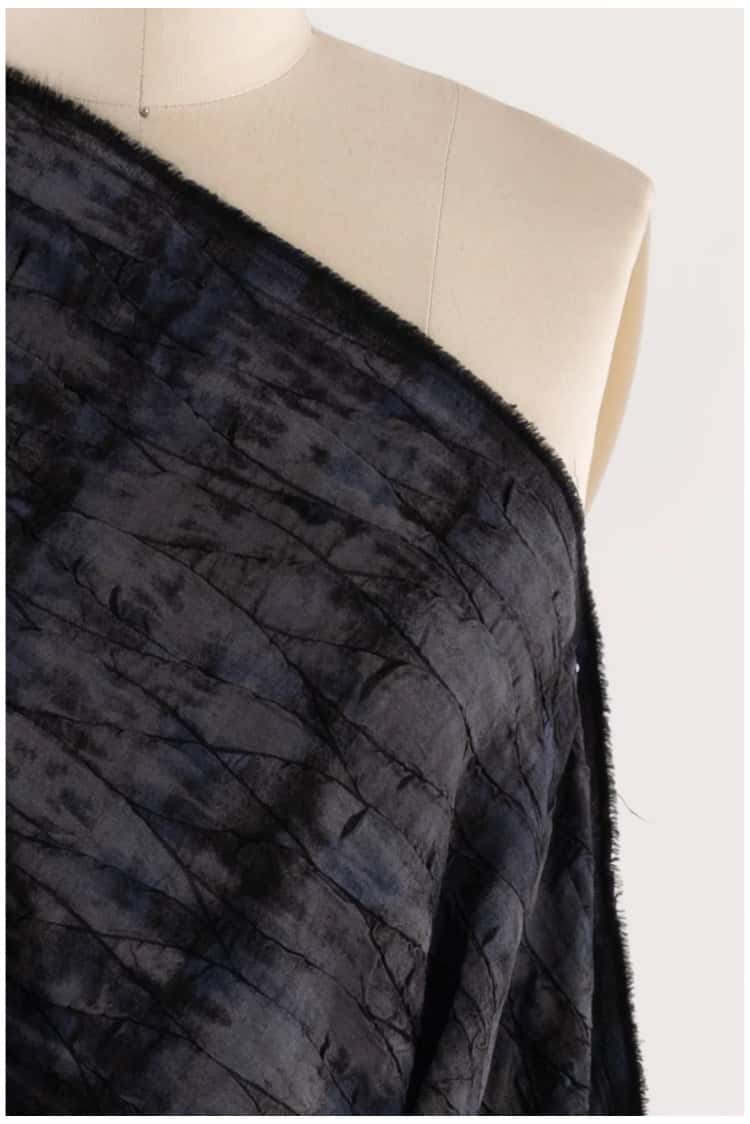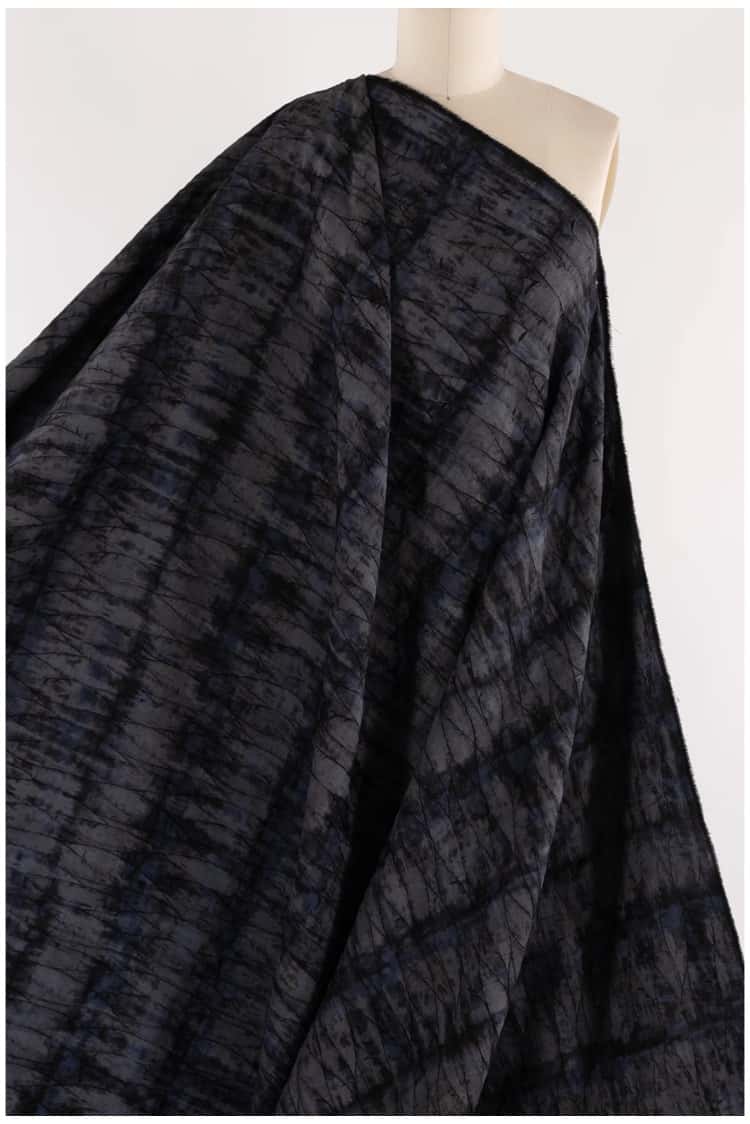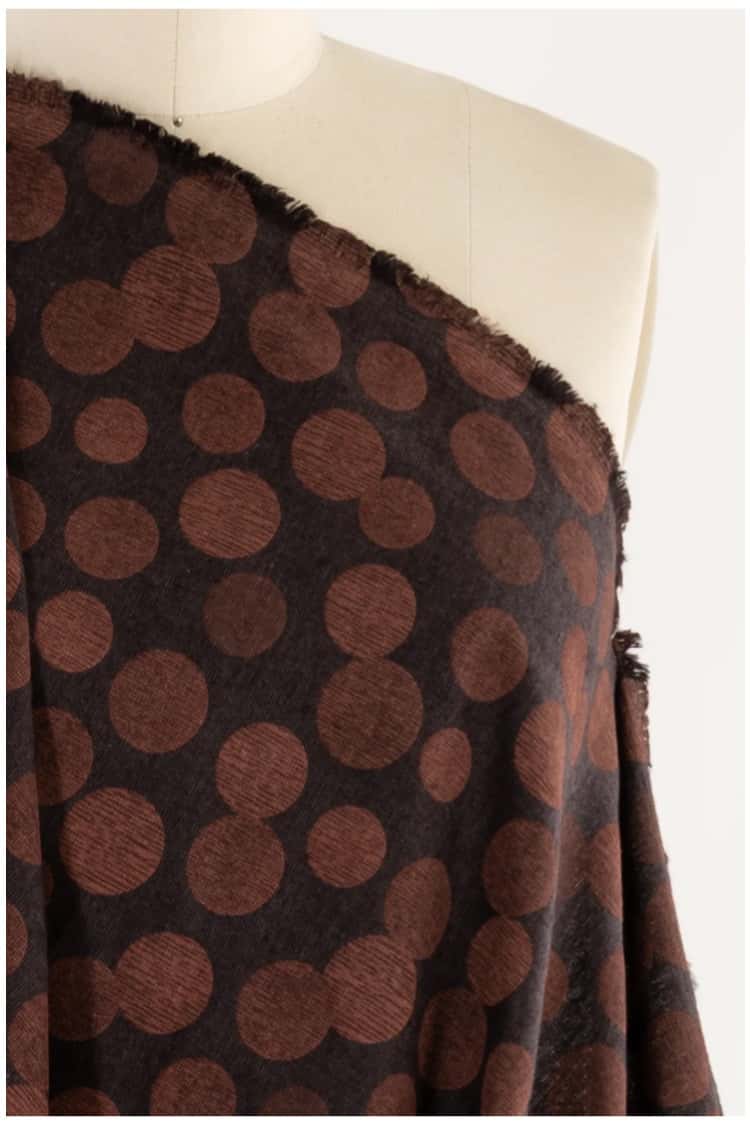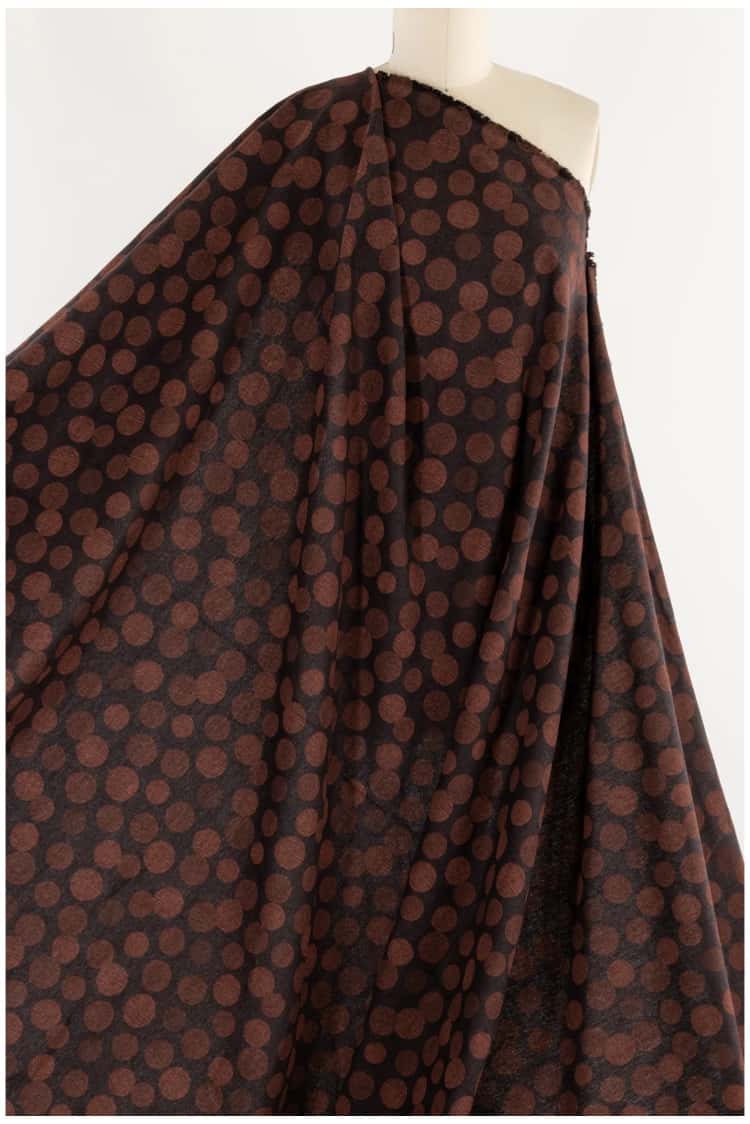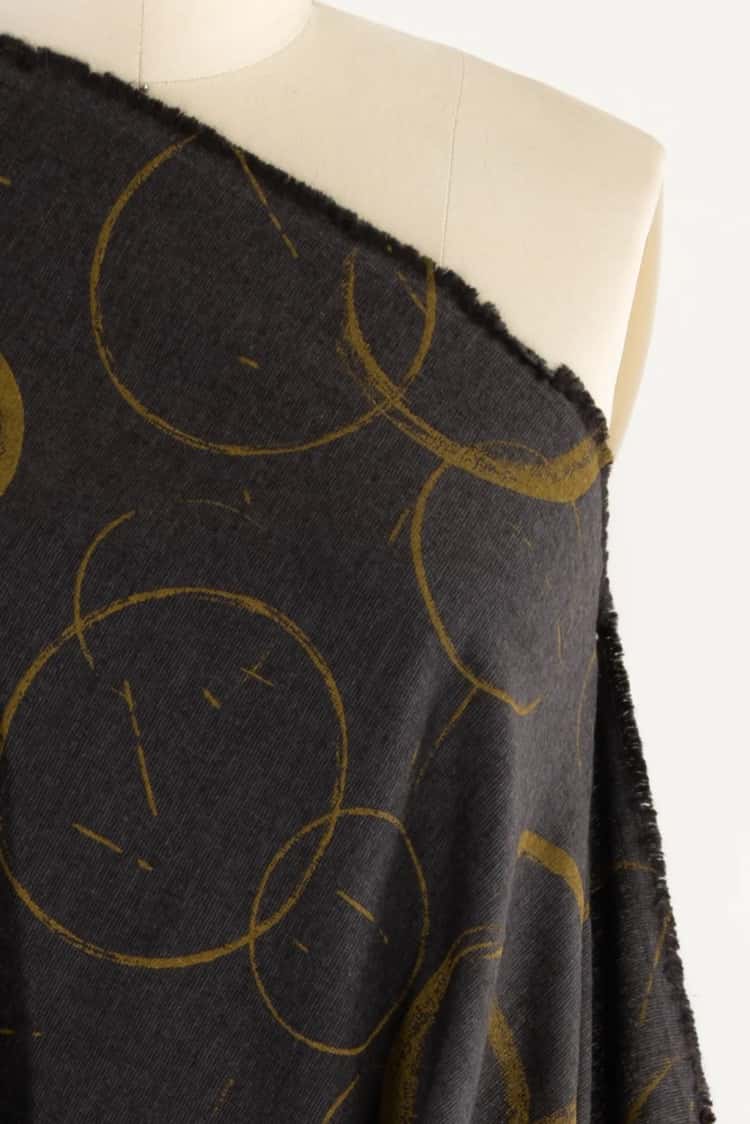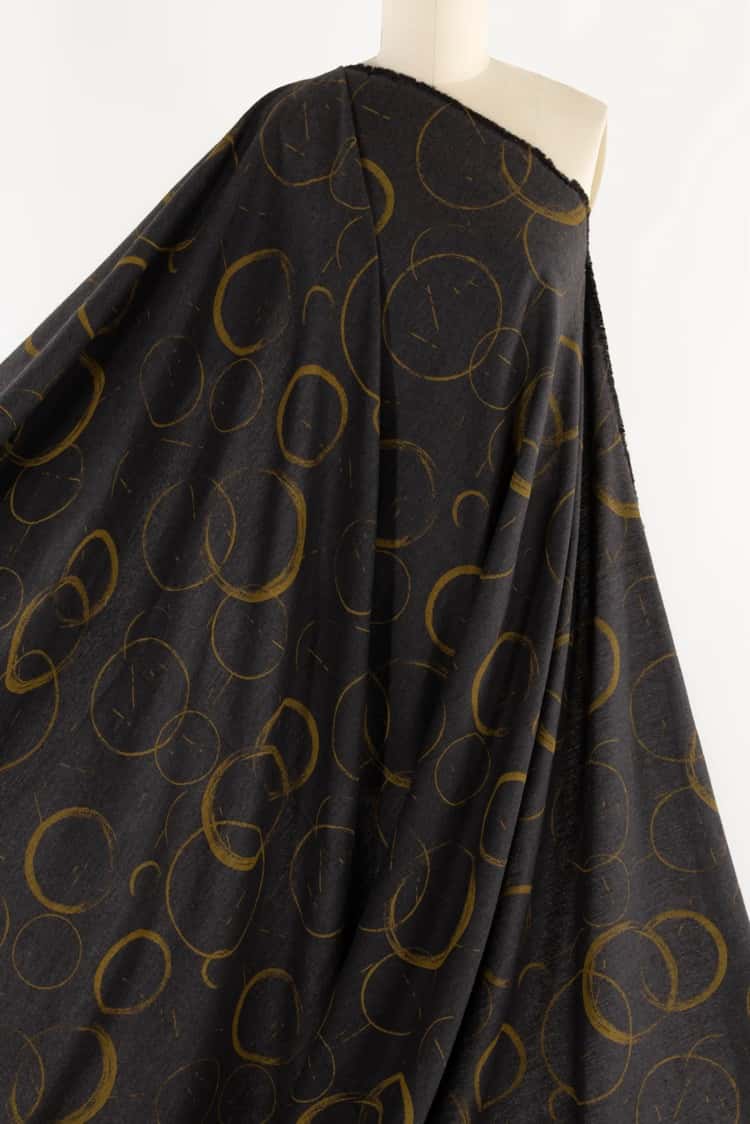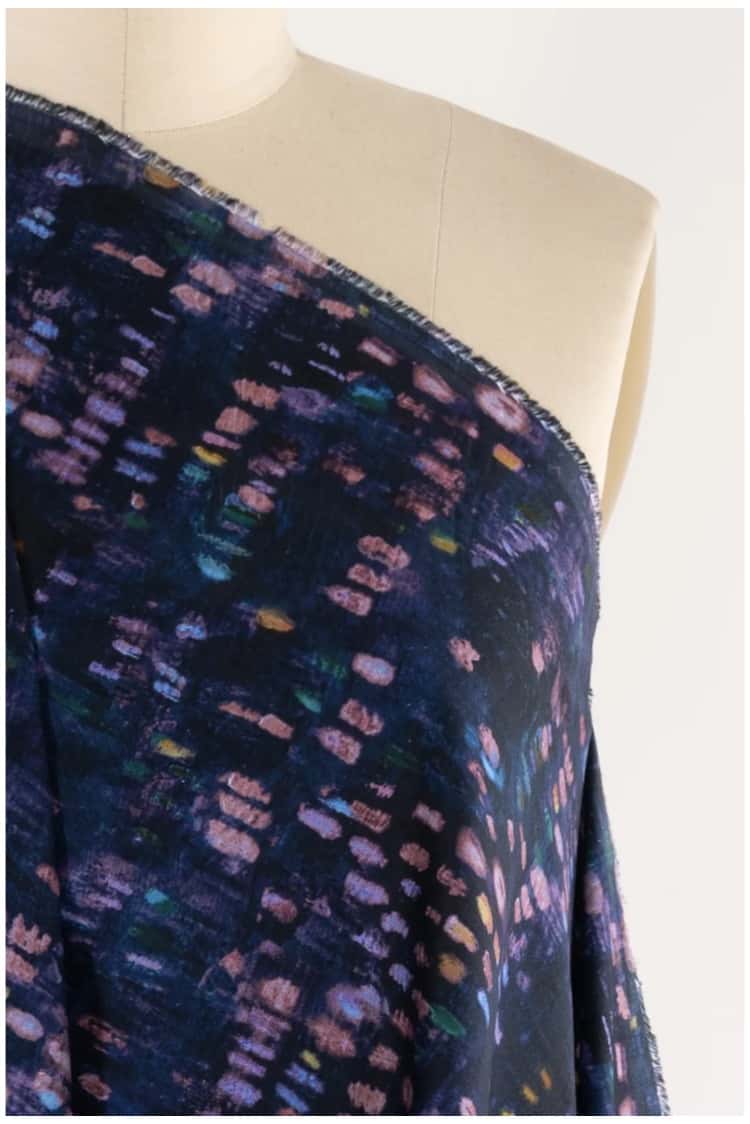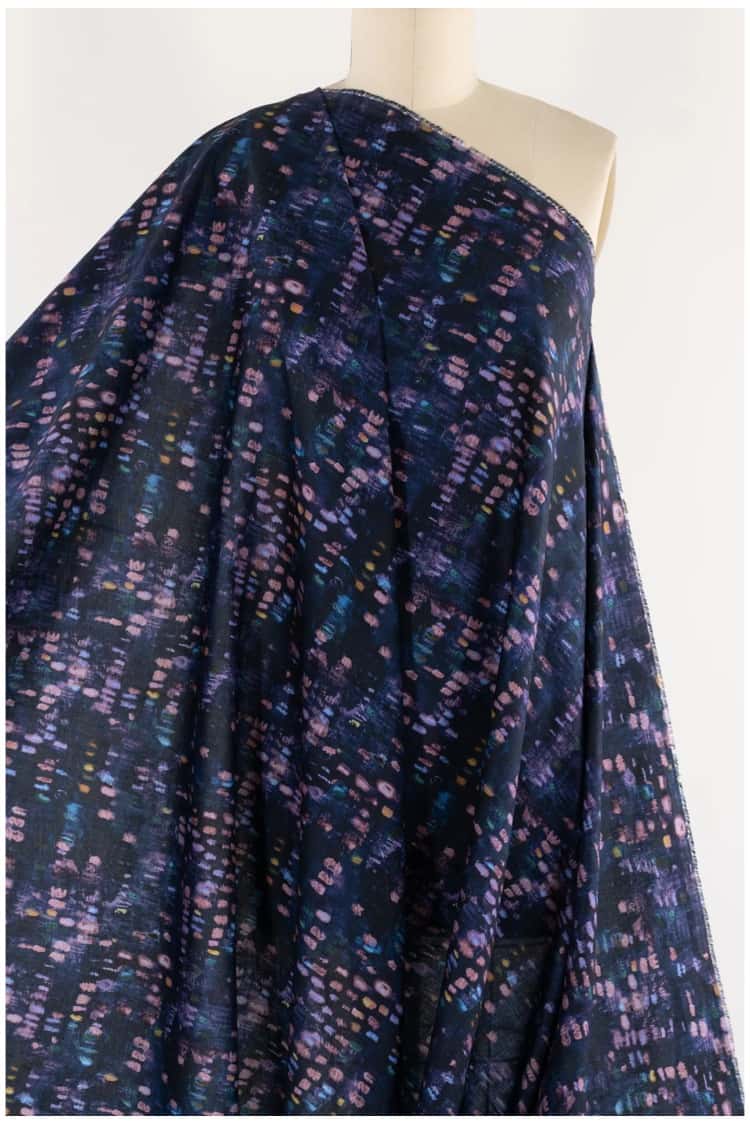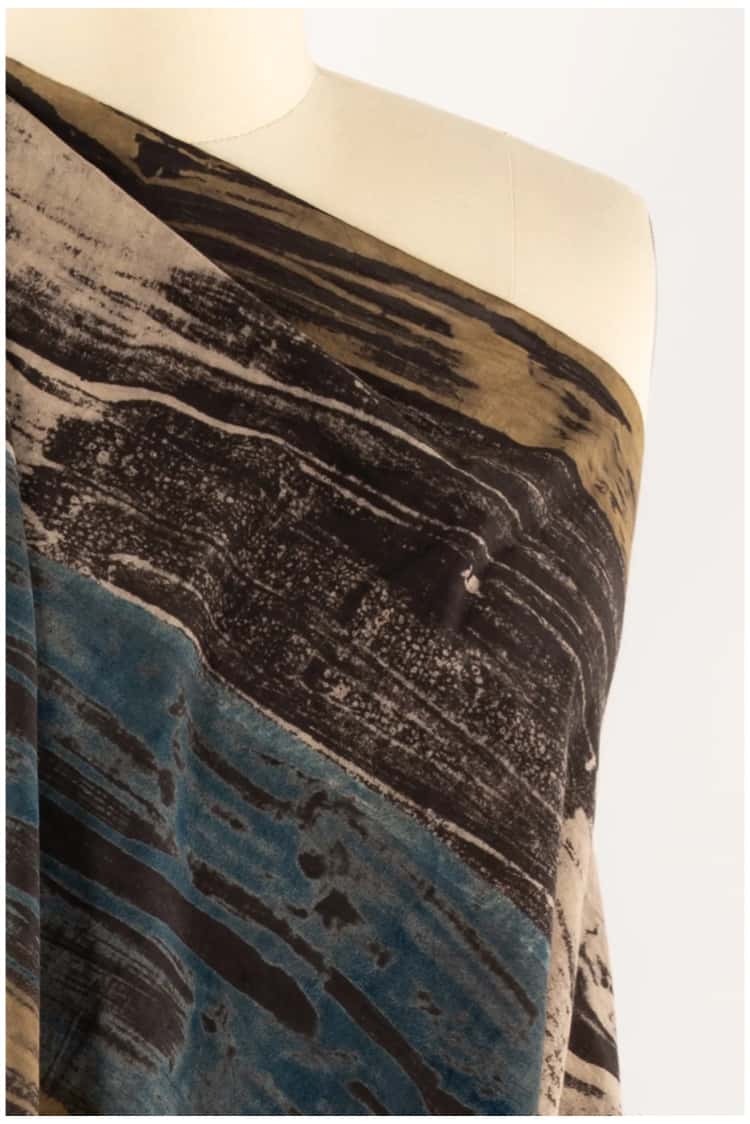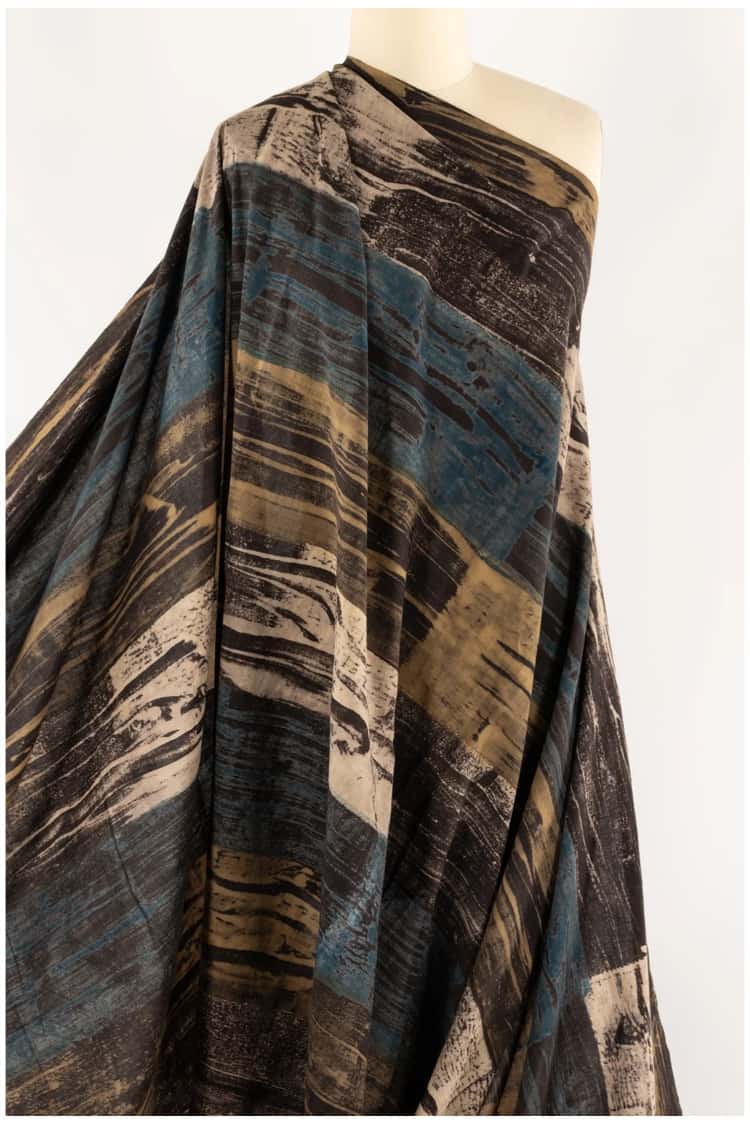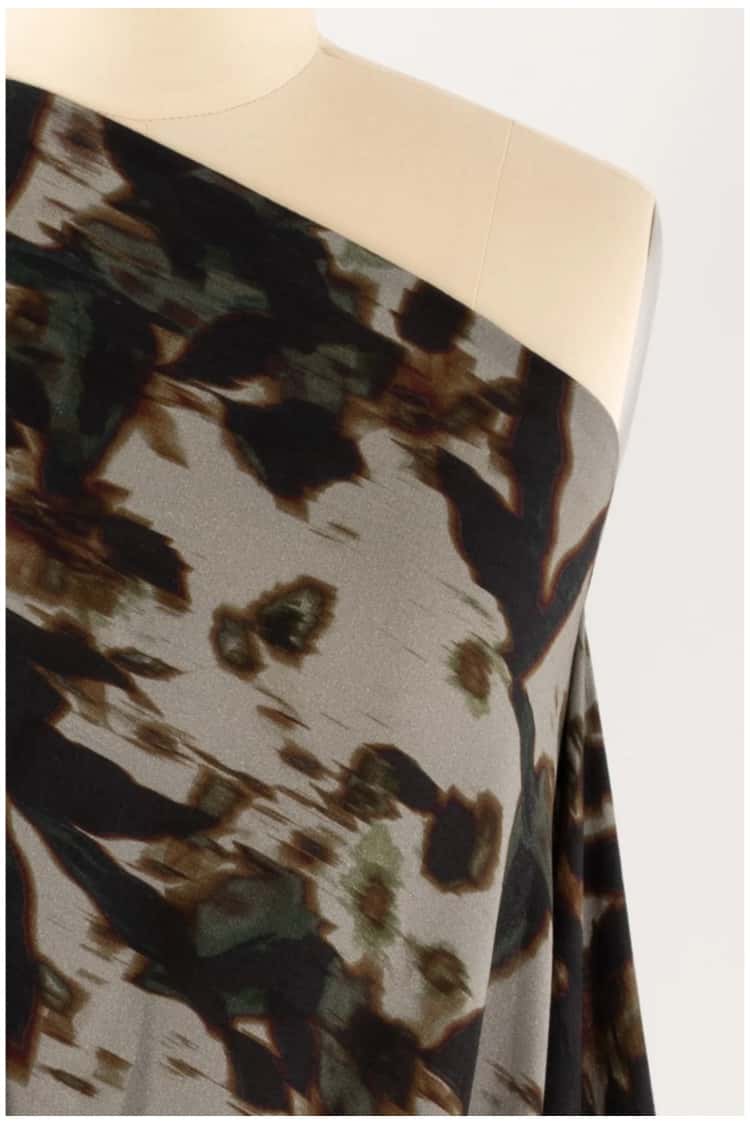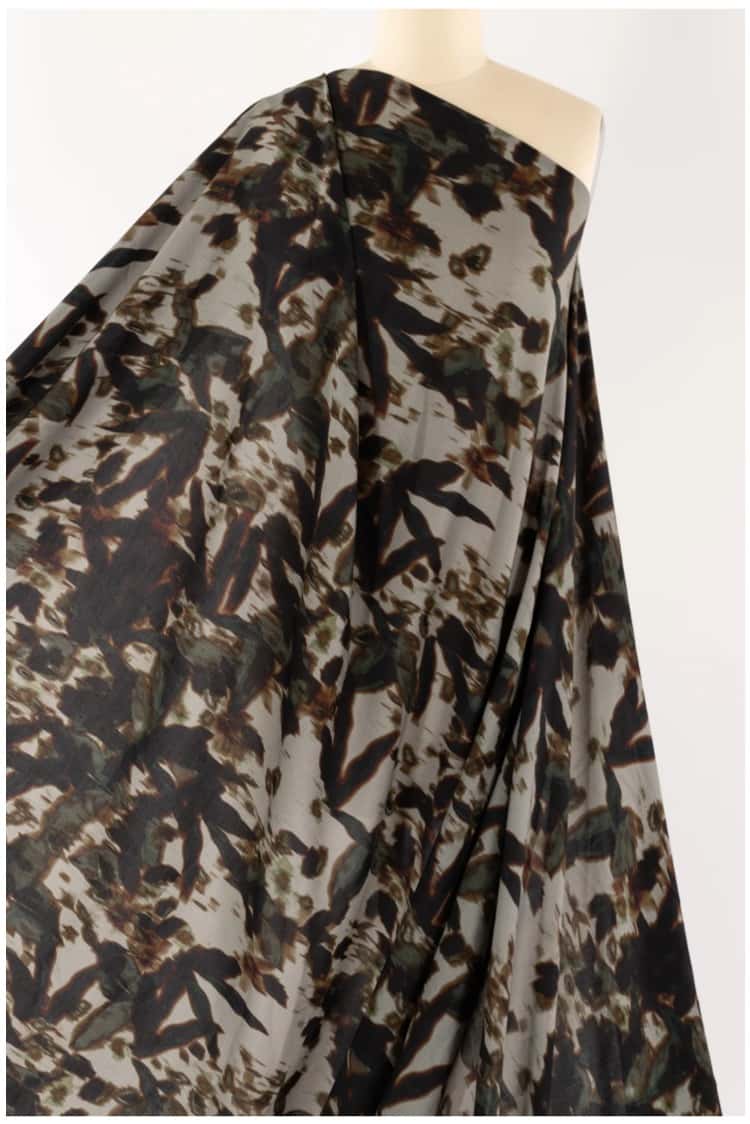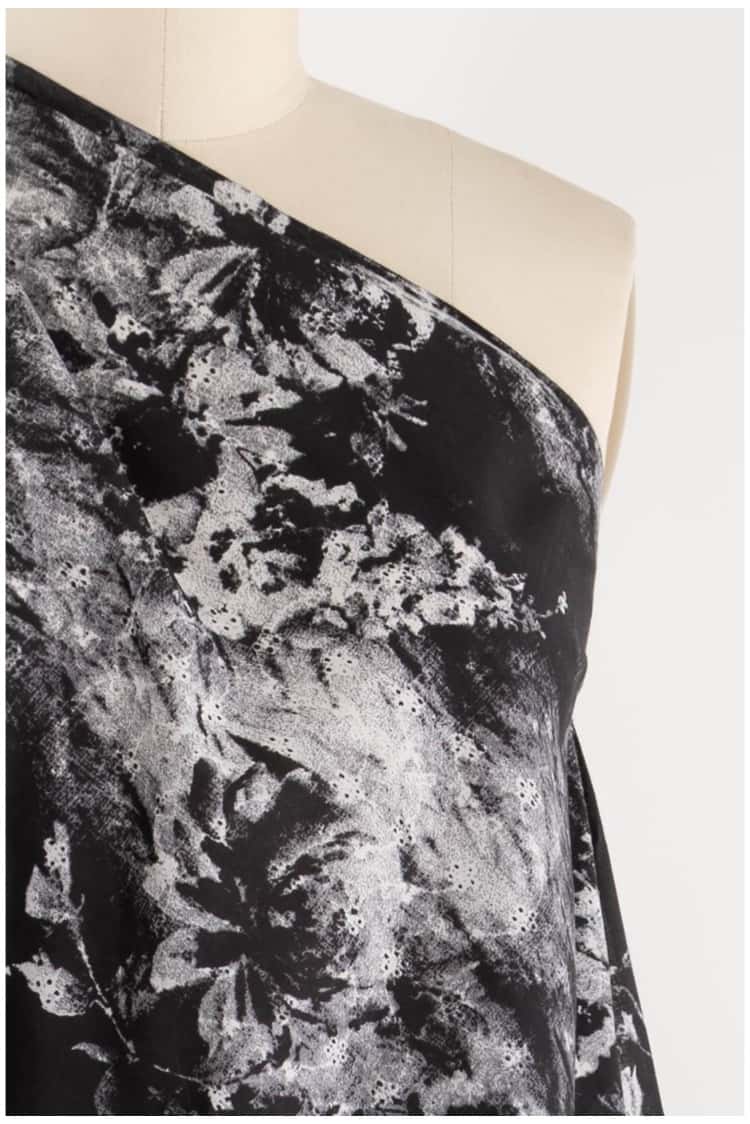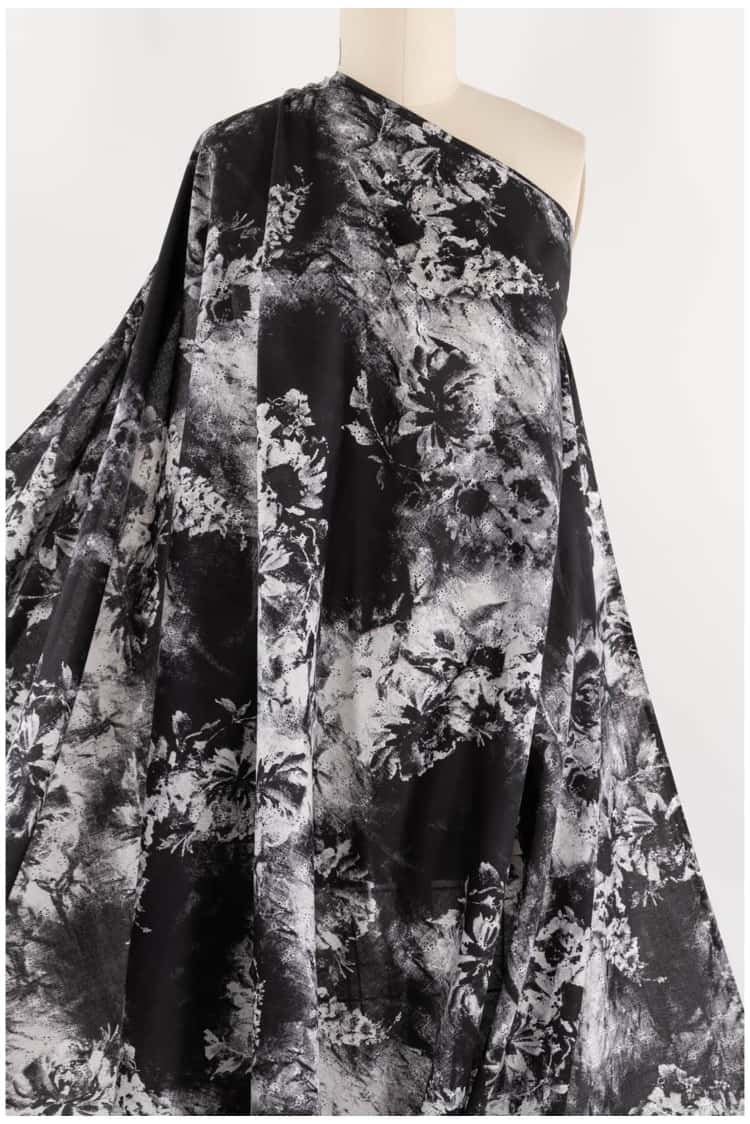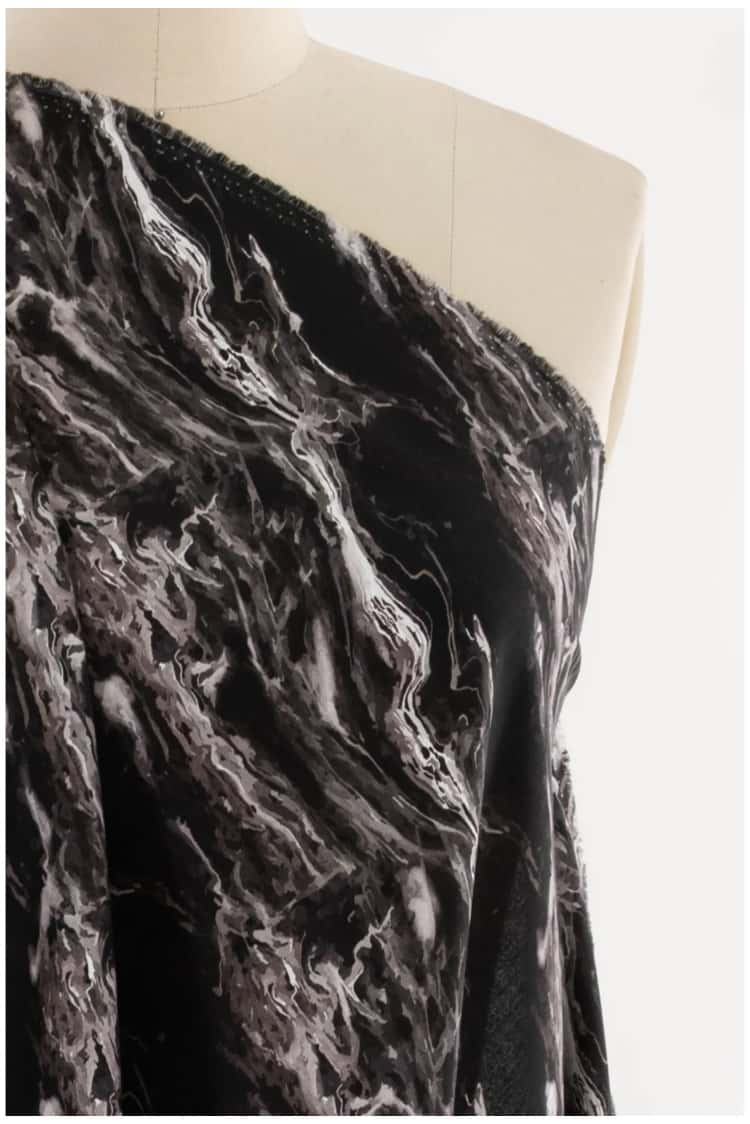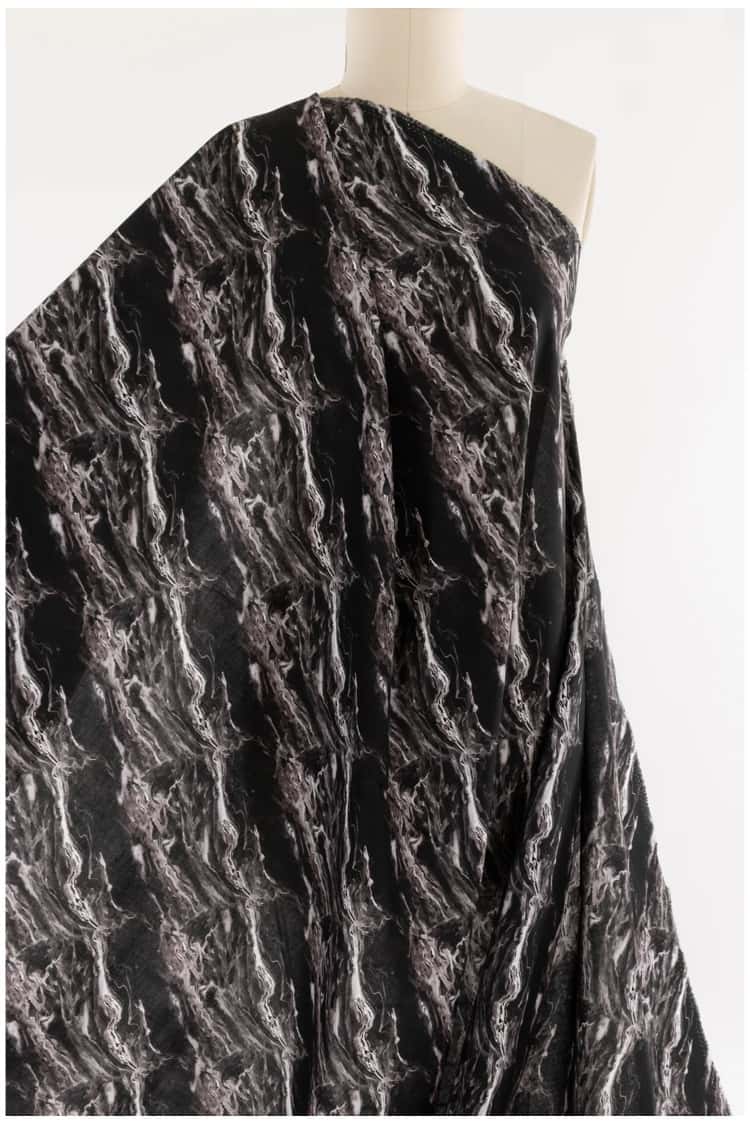
I love Japanese culture, especially wabi sabi fashion and fabrics. There isn't a word for wabi sabi in English, so it is often misunderstood.
Wabi Sabi is not a trend. It's a way of viewing the world. It's the beauty in things that are imperfect, worn, irregular, and natural. A linen that wrinkles. A print that looks hand-painted rather than precise. A fabric with a slub in the weave that reminds you it was made by human hands. That's wabi sabi.
In Japanese culture, these "imperfections" aren't flaws to be fixed — they're the soul of the thing. And honestly? That philosophy has shaped the way I've curated fabrics for decades.
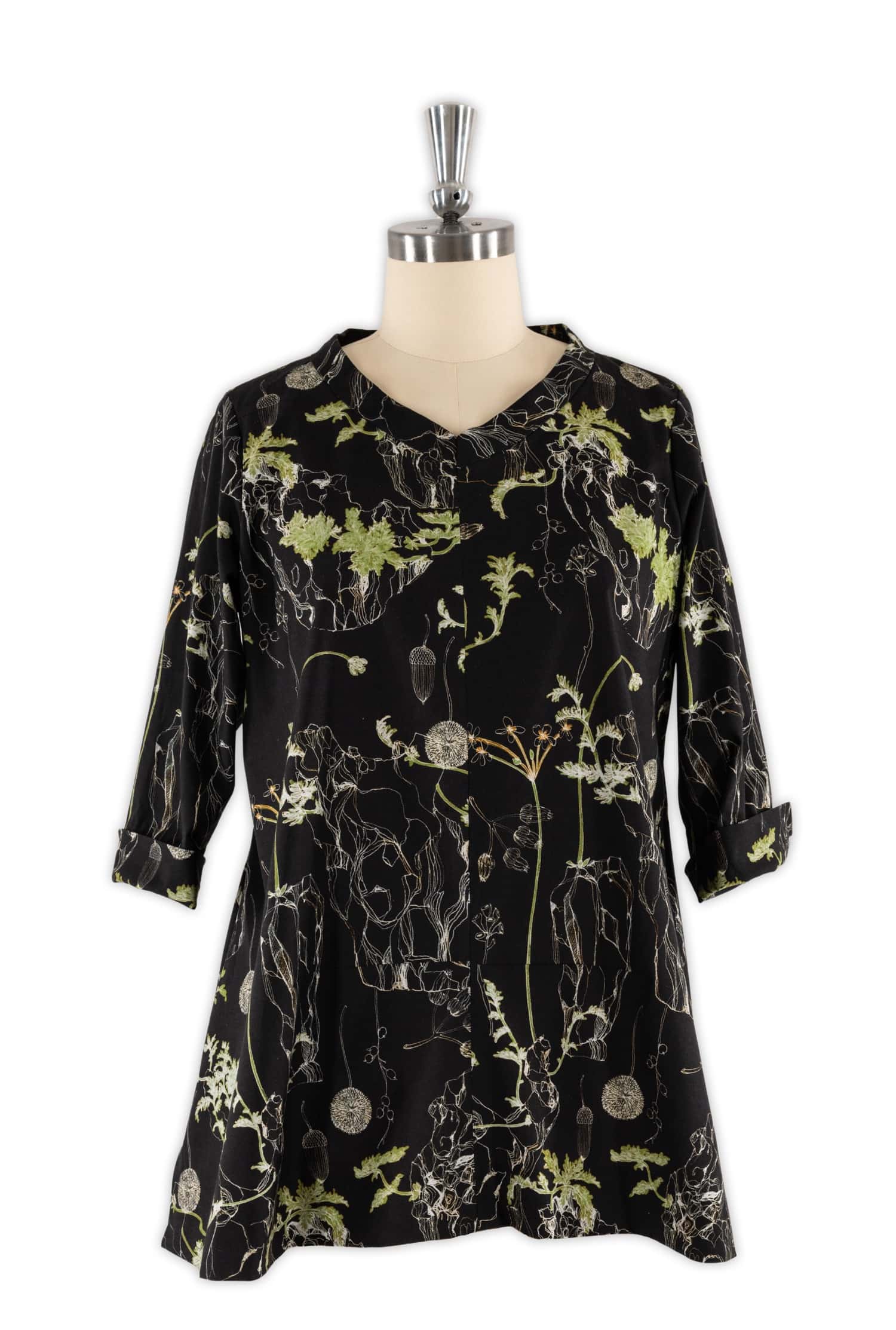
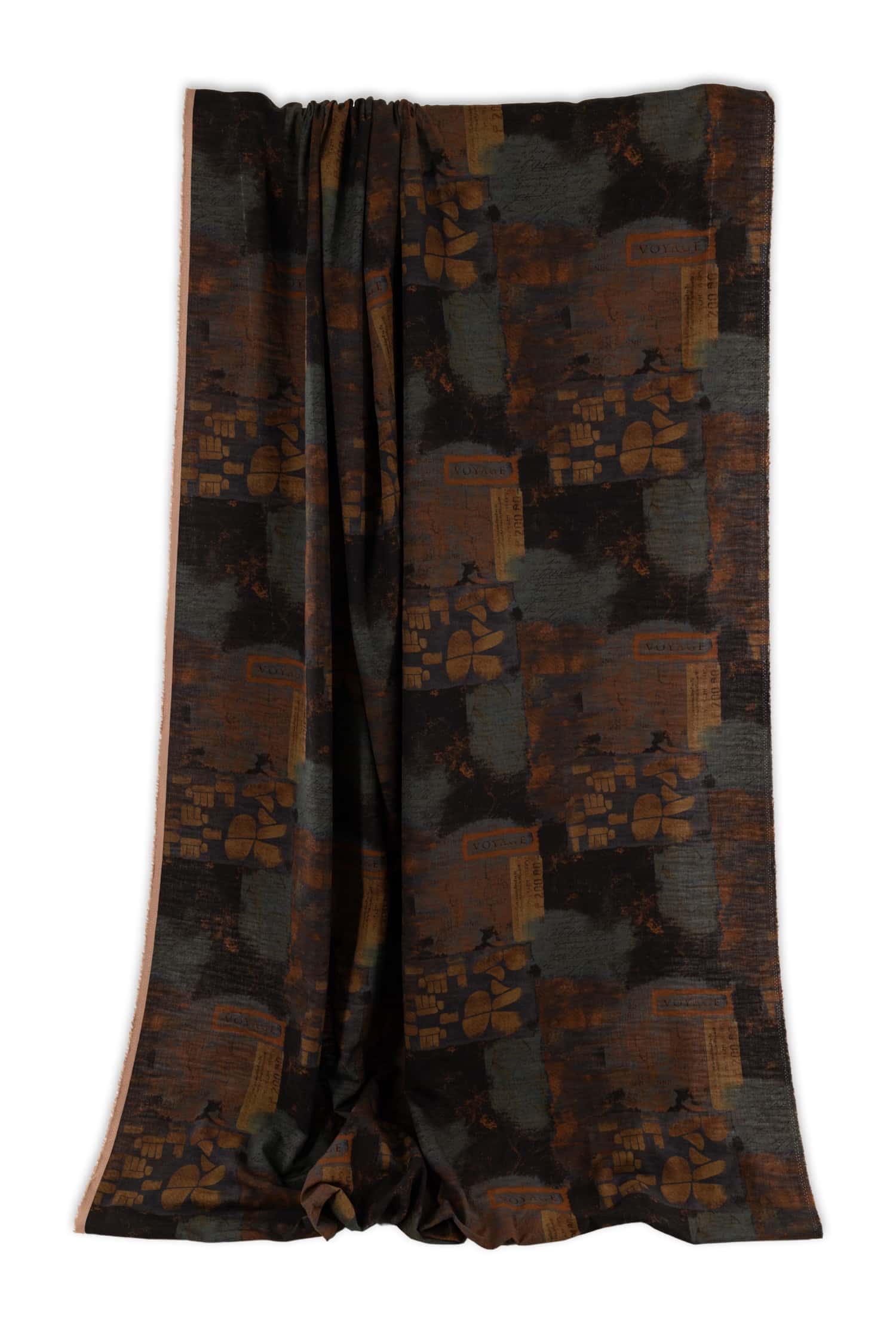
When I started pulling together this Wabi Sabi Edit, I kept coming back to fabrics that felt alive — earthy, tactile, a little unpredictable. Crinkled double wovens. Cotton shirtings with an organic, handcrafted quality. Viscose crepe that drapes like water. Prints that feel more like brushwork than pattern.
And all of it in fall's most honest colors: deep browns, warm grays, ochre, copper, black. Just depth and quiet beauty.
As a subscriber, you get savings on our entire Fall Fabric Collection, including the Wabi Sabi Edit.