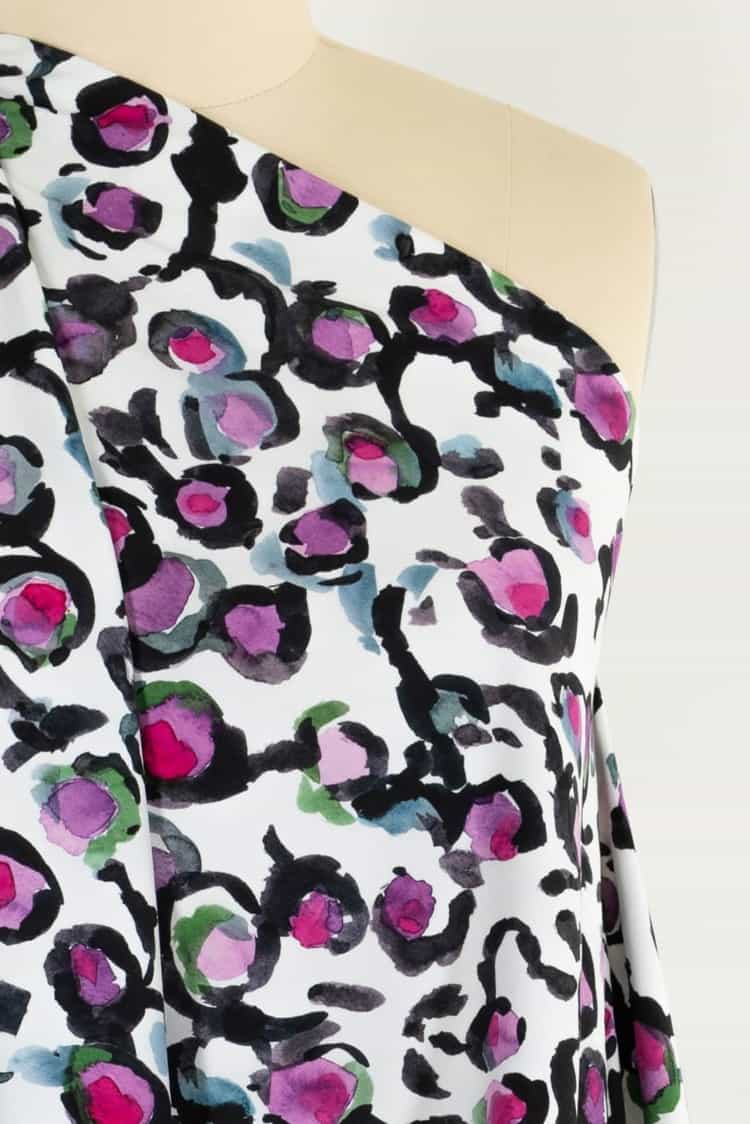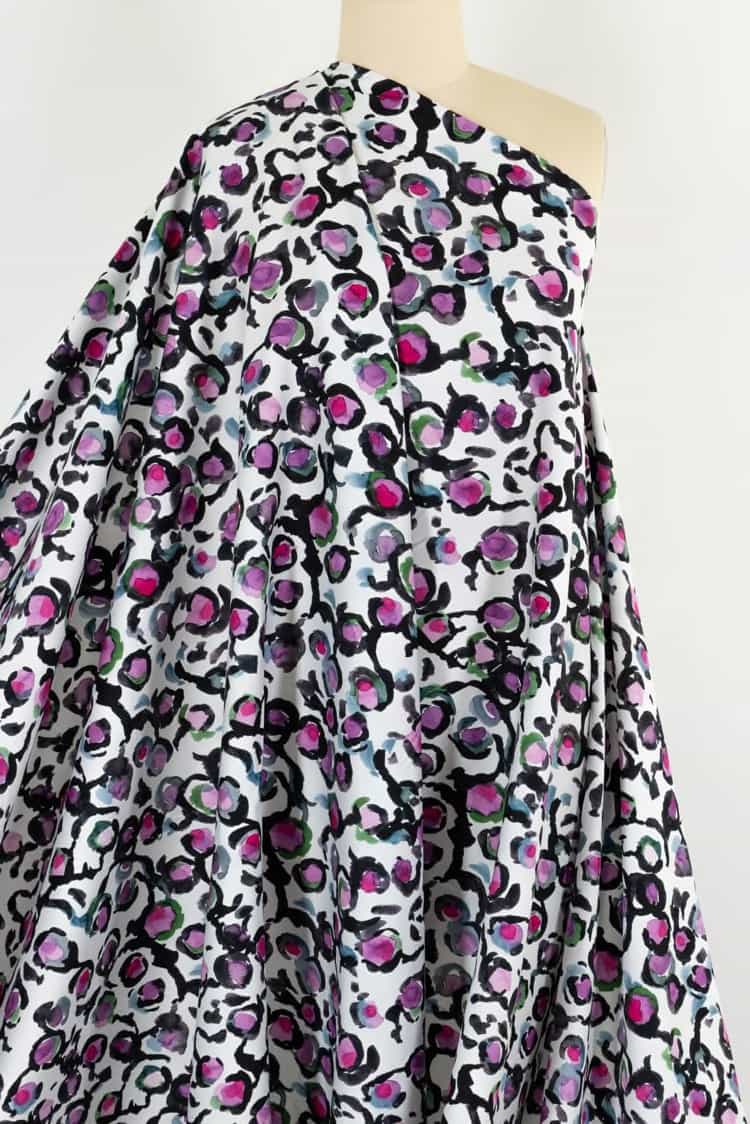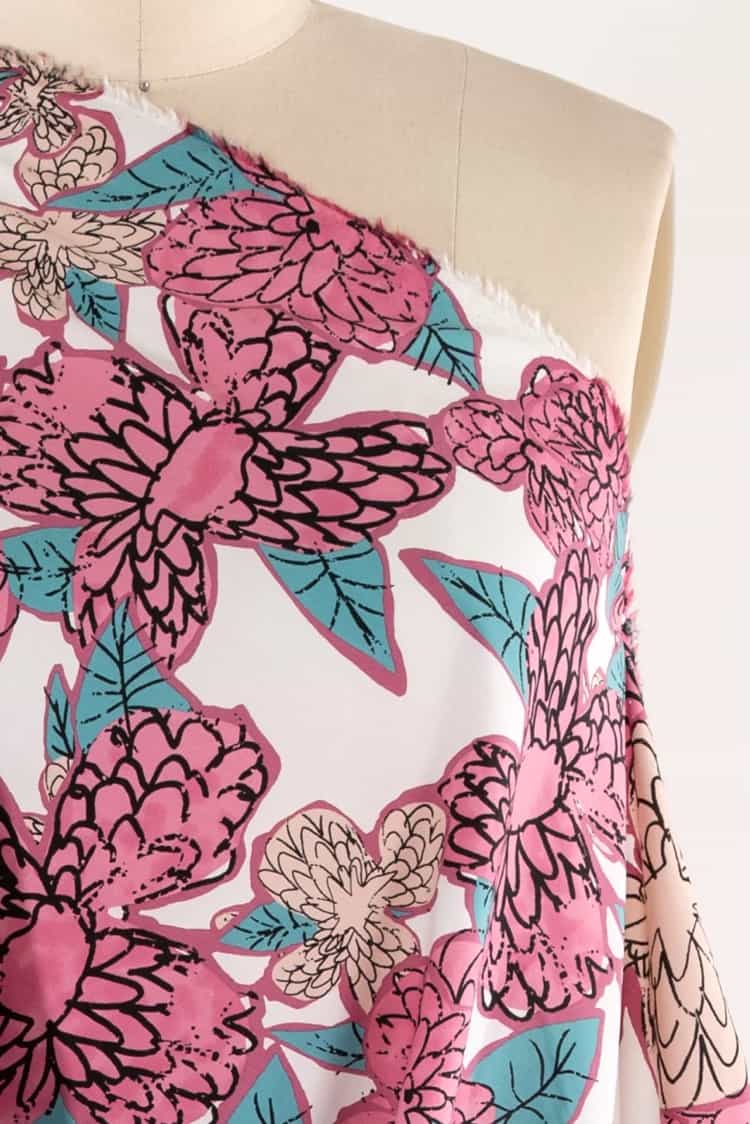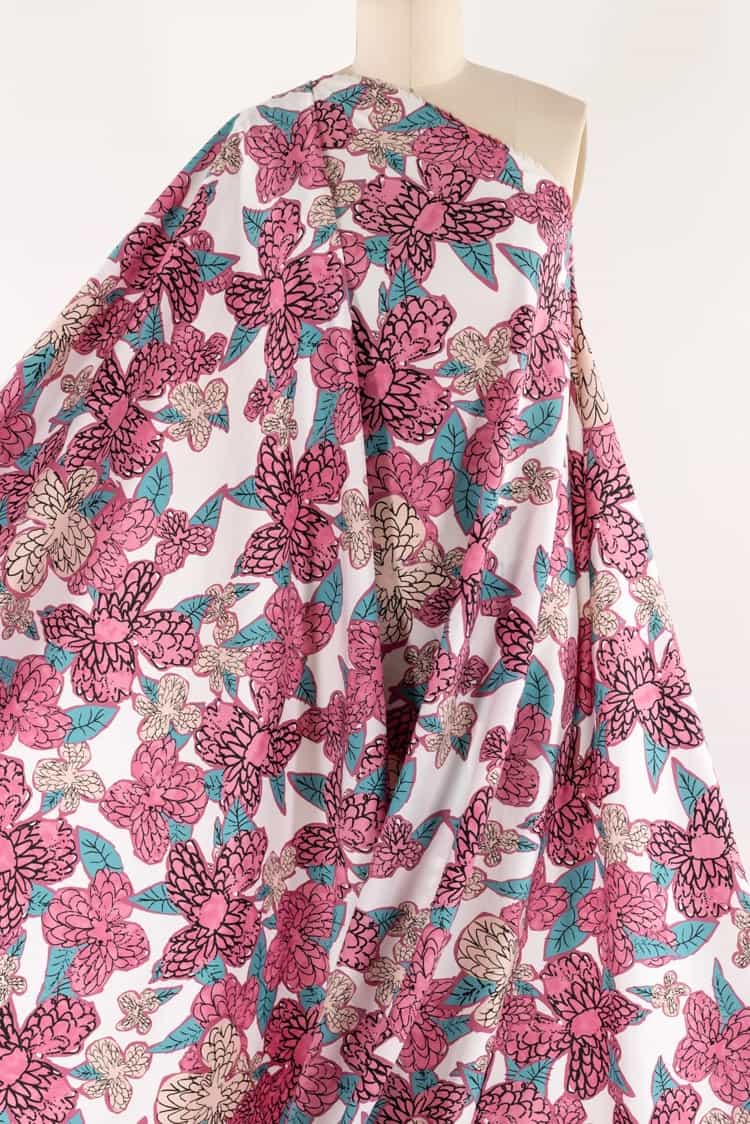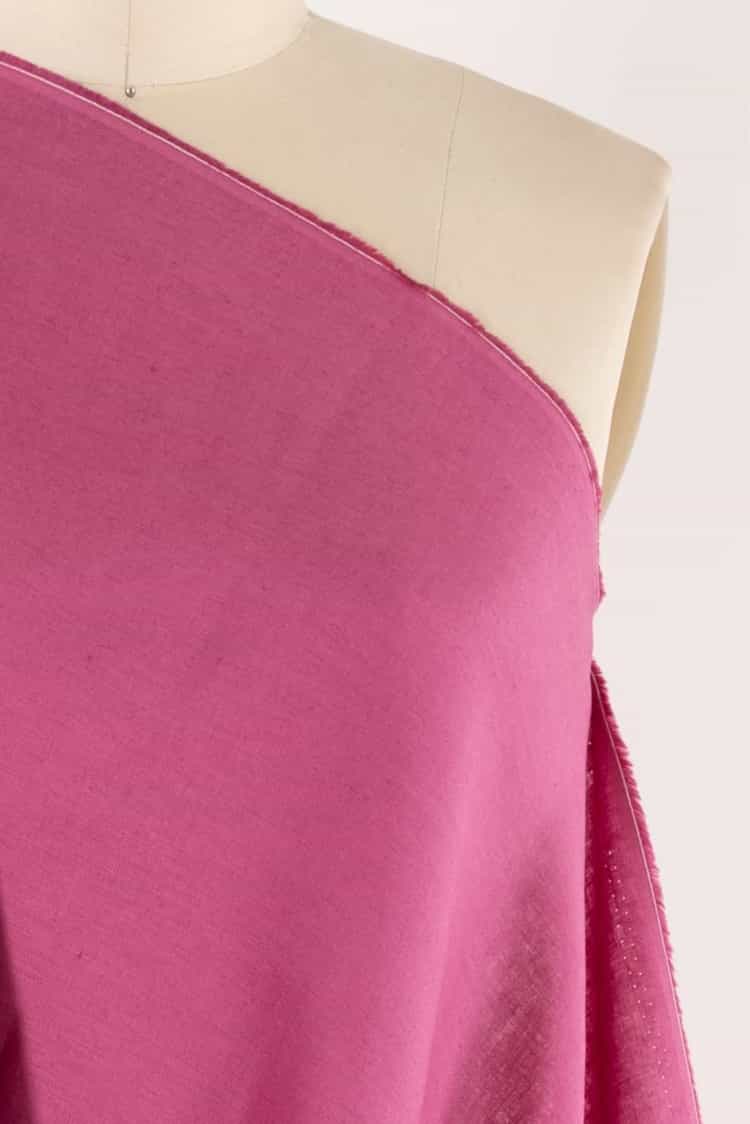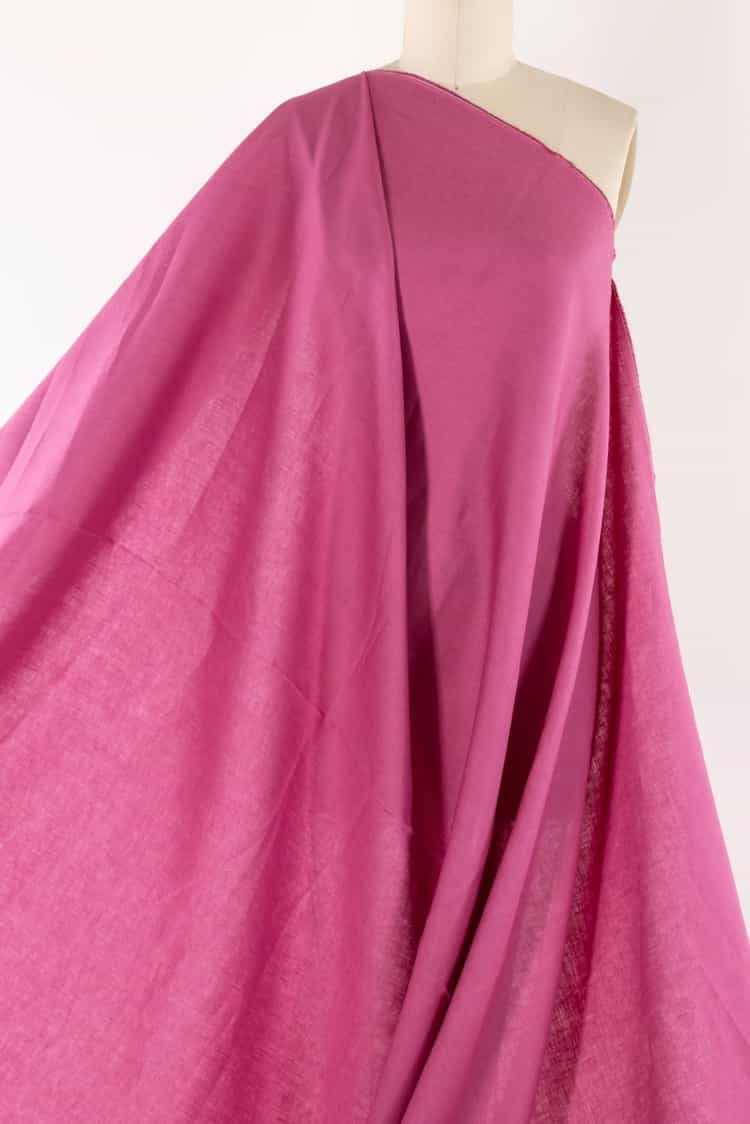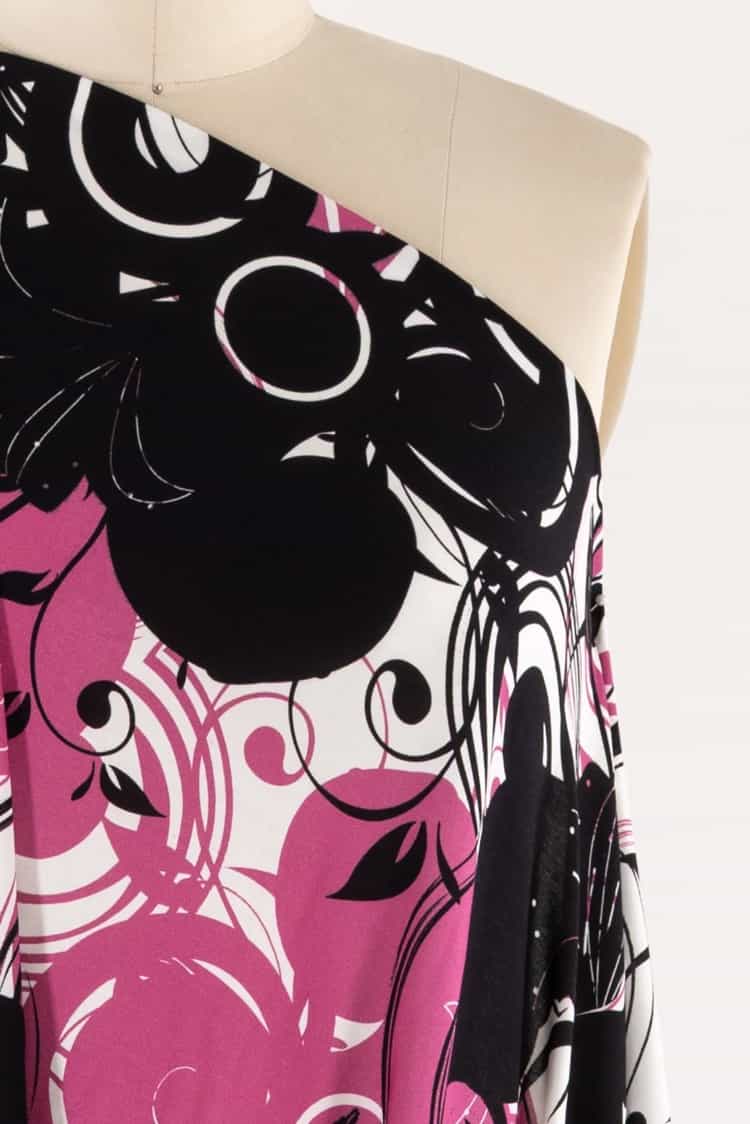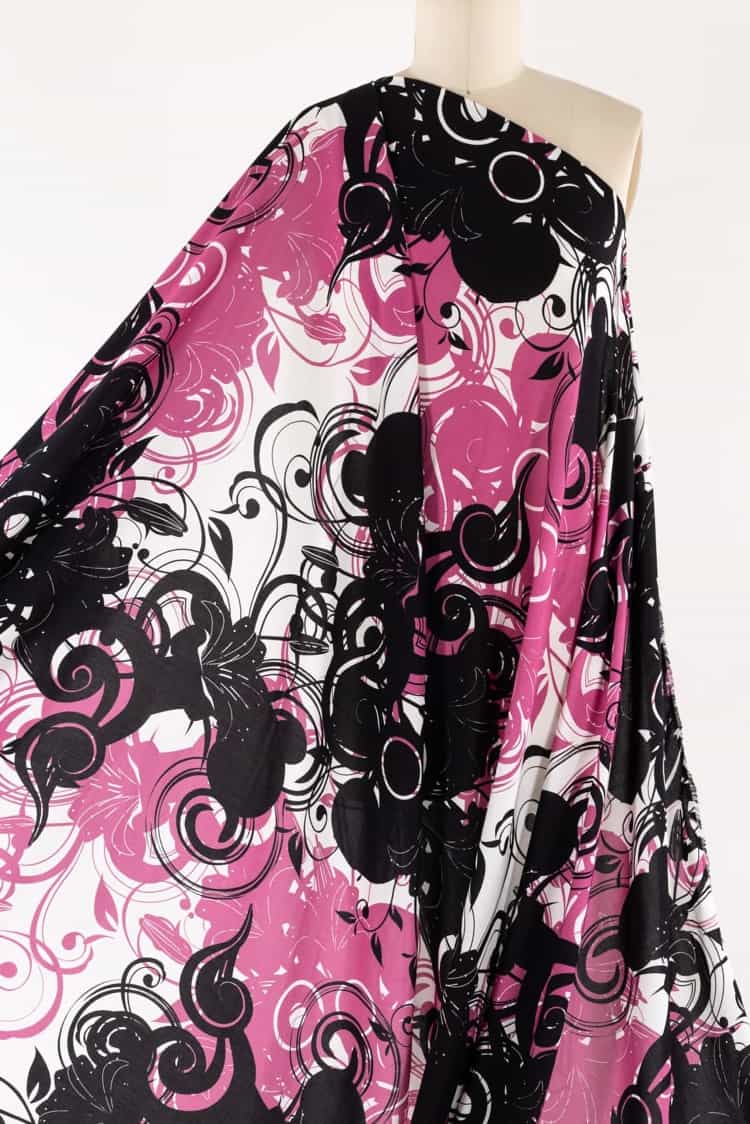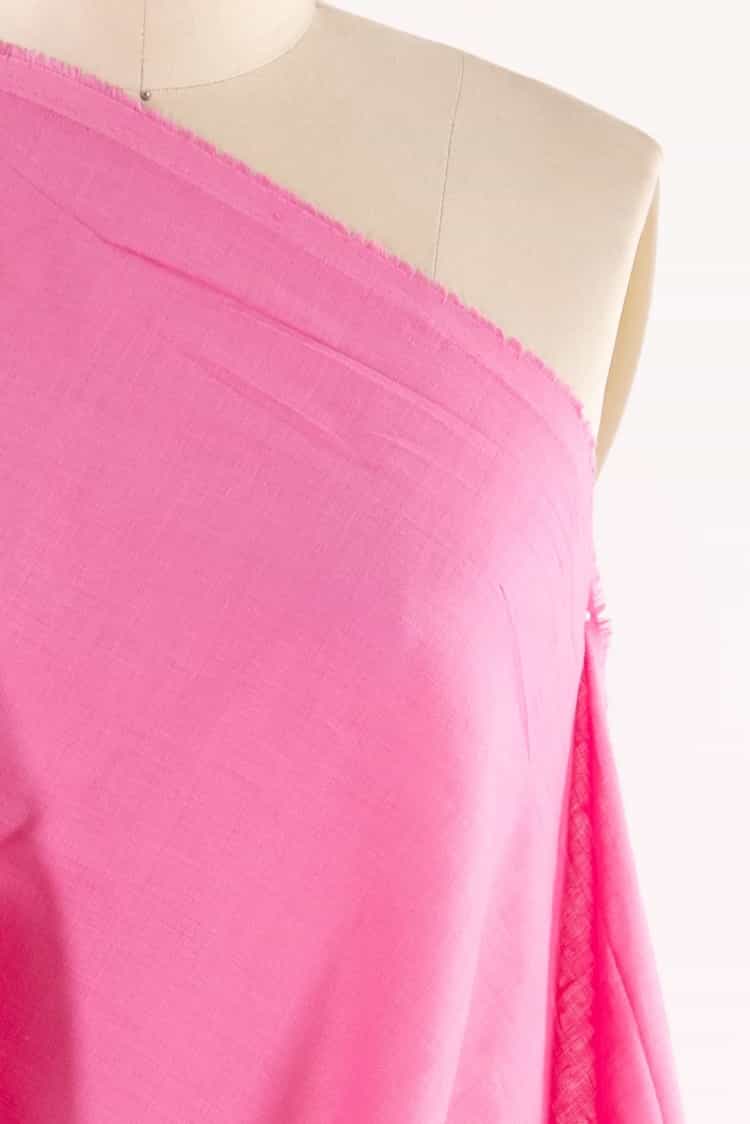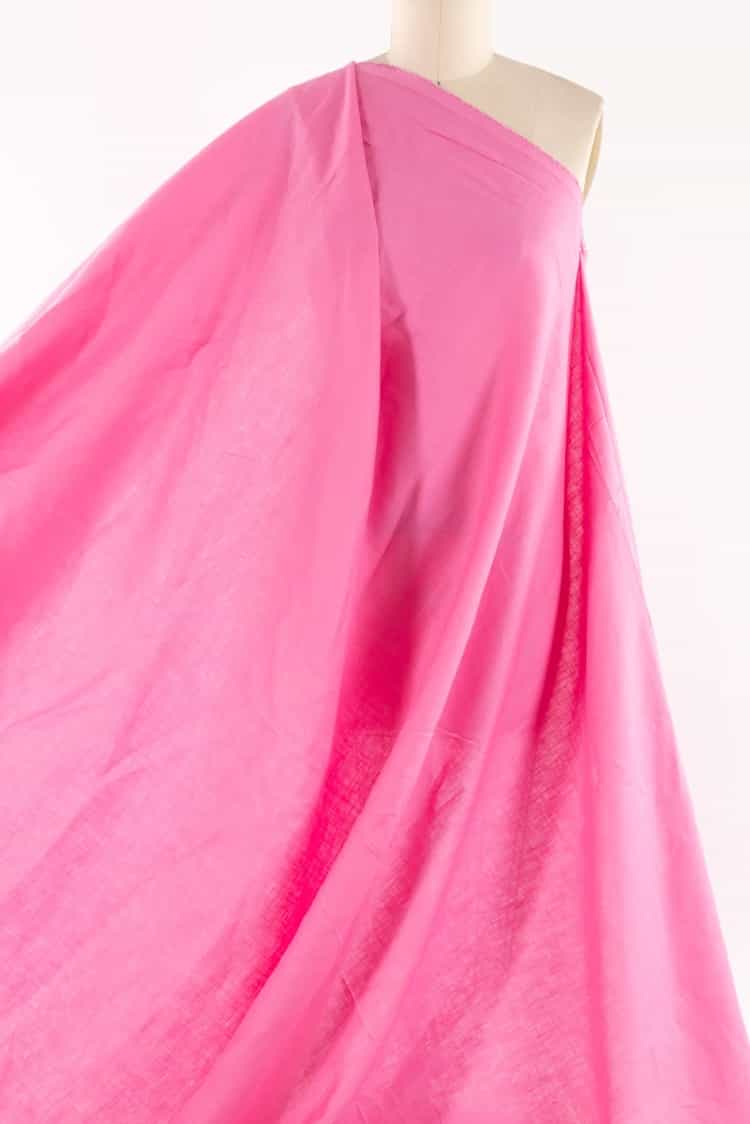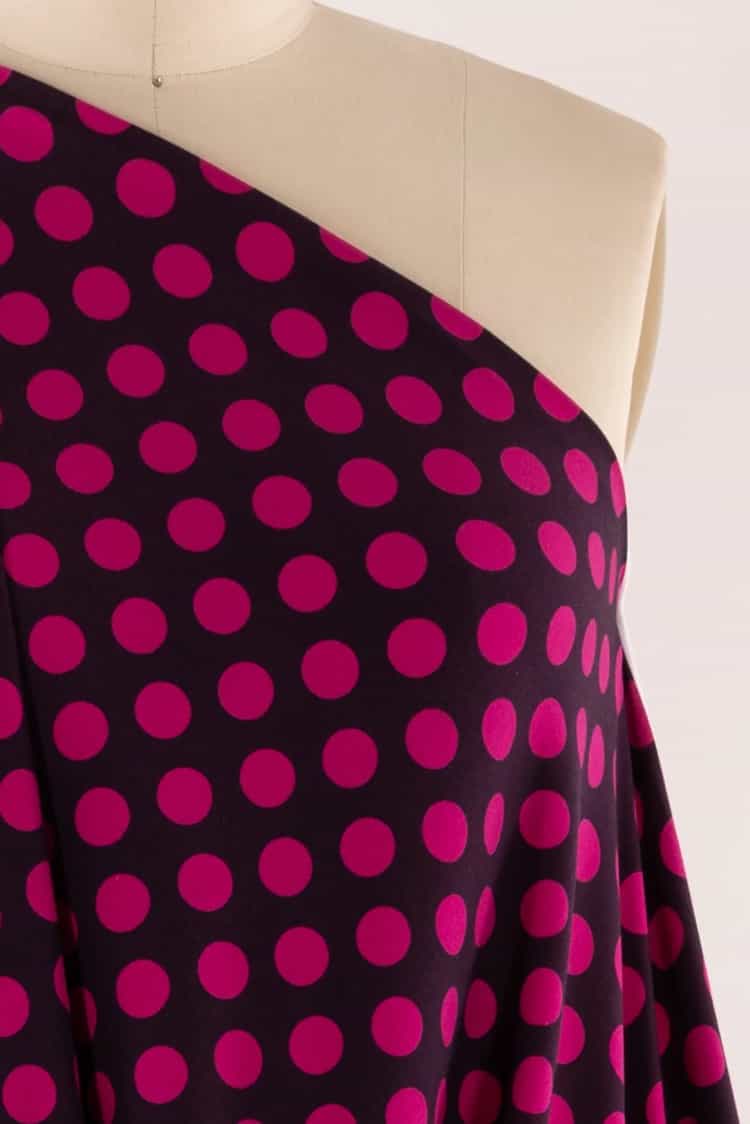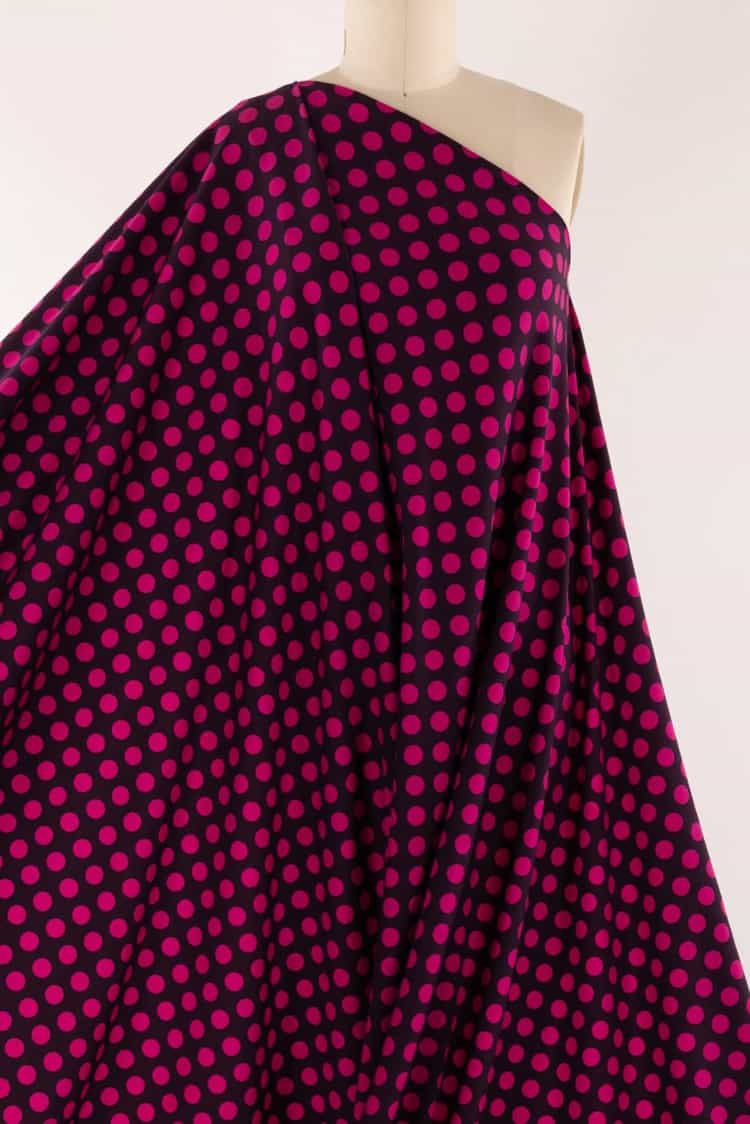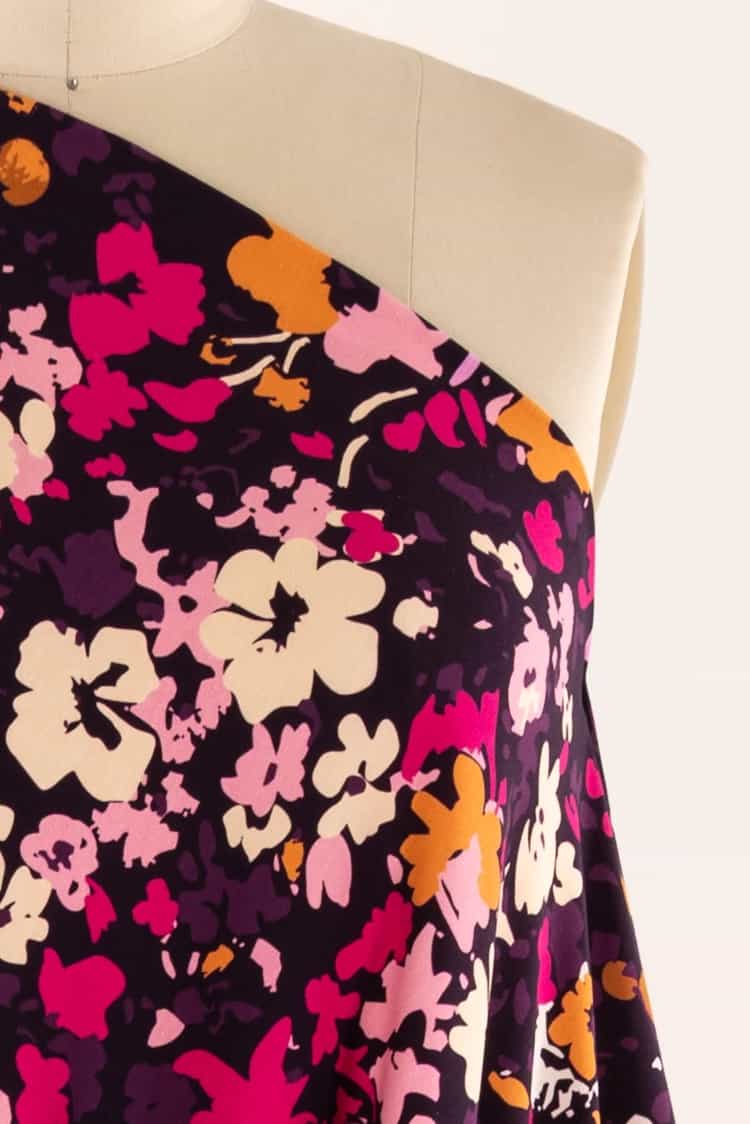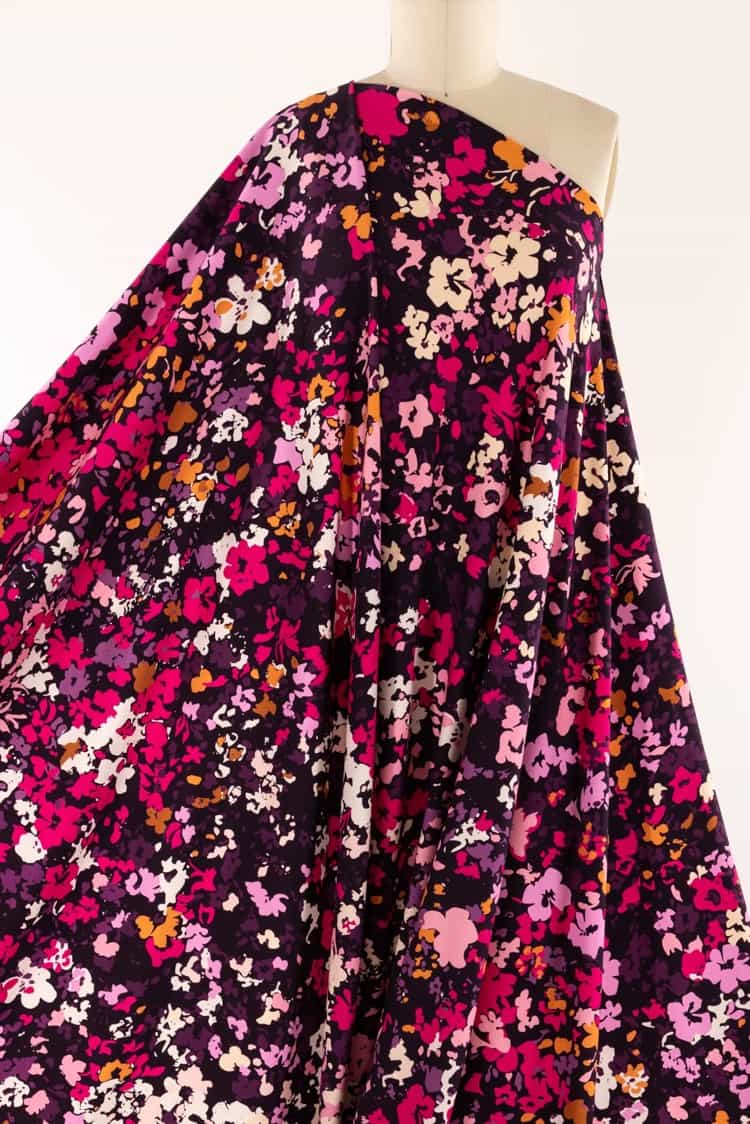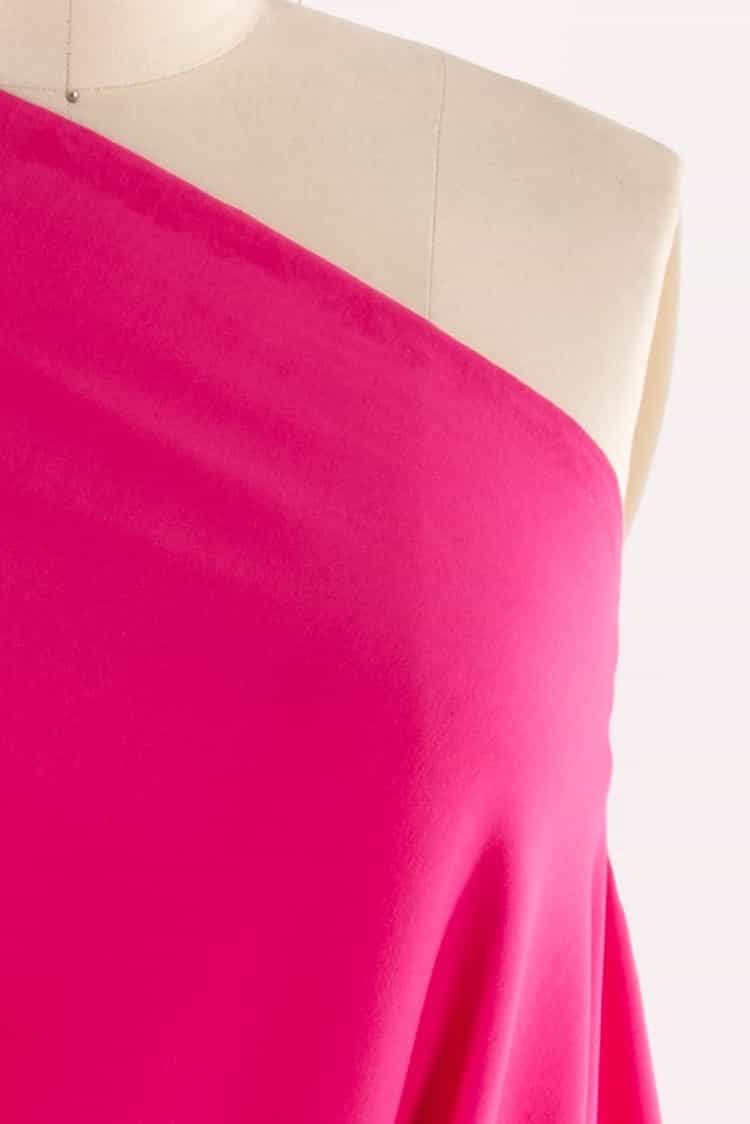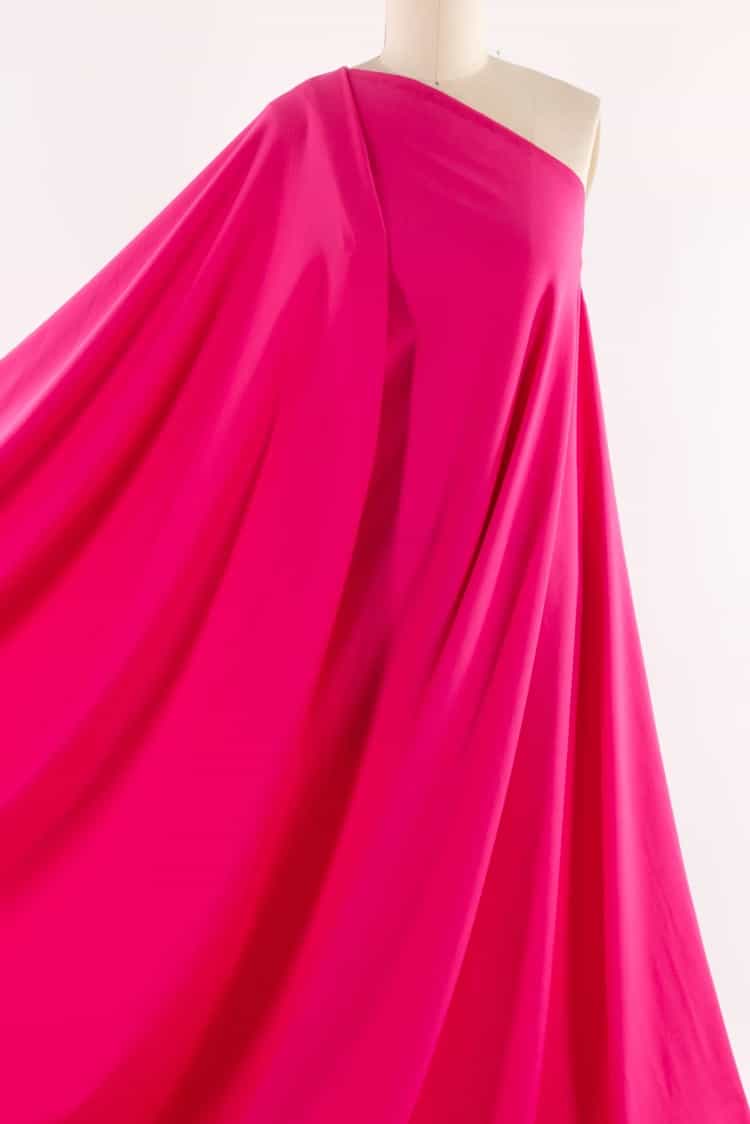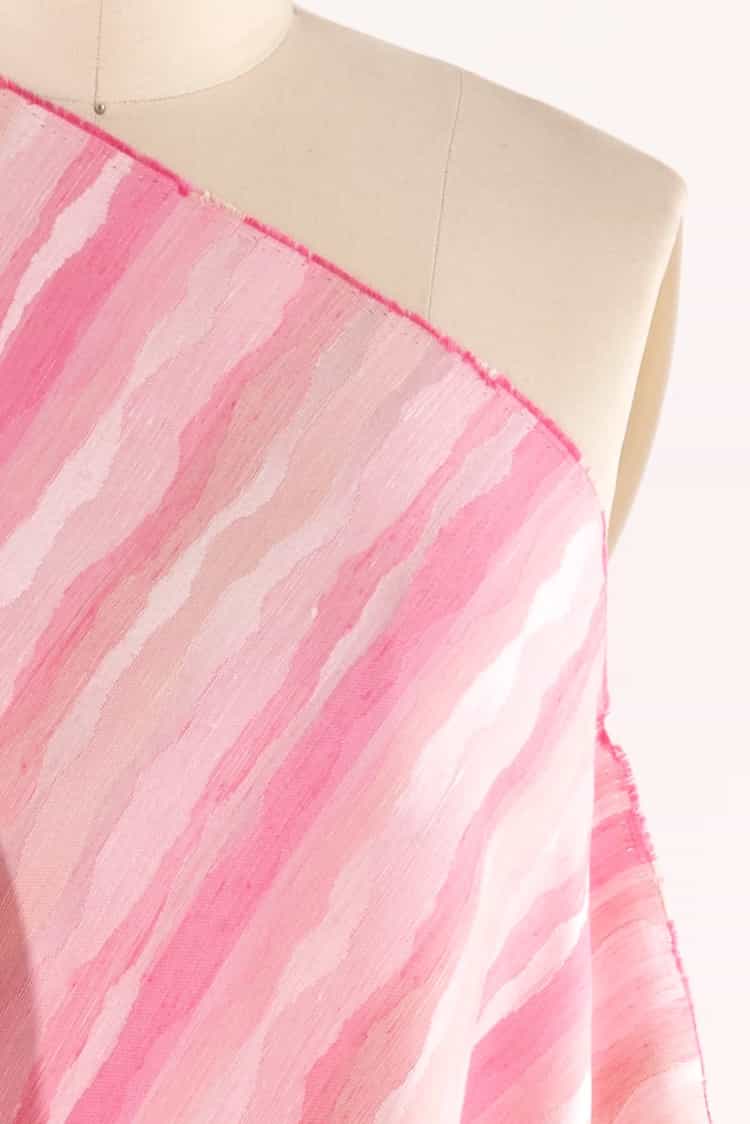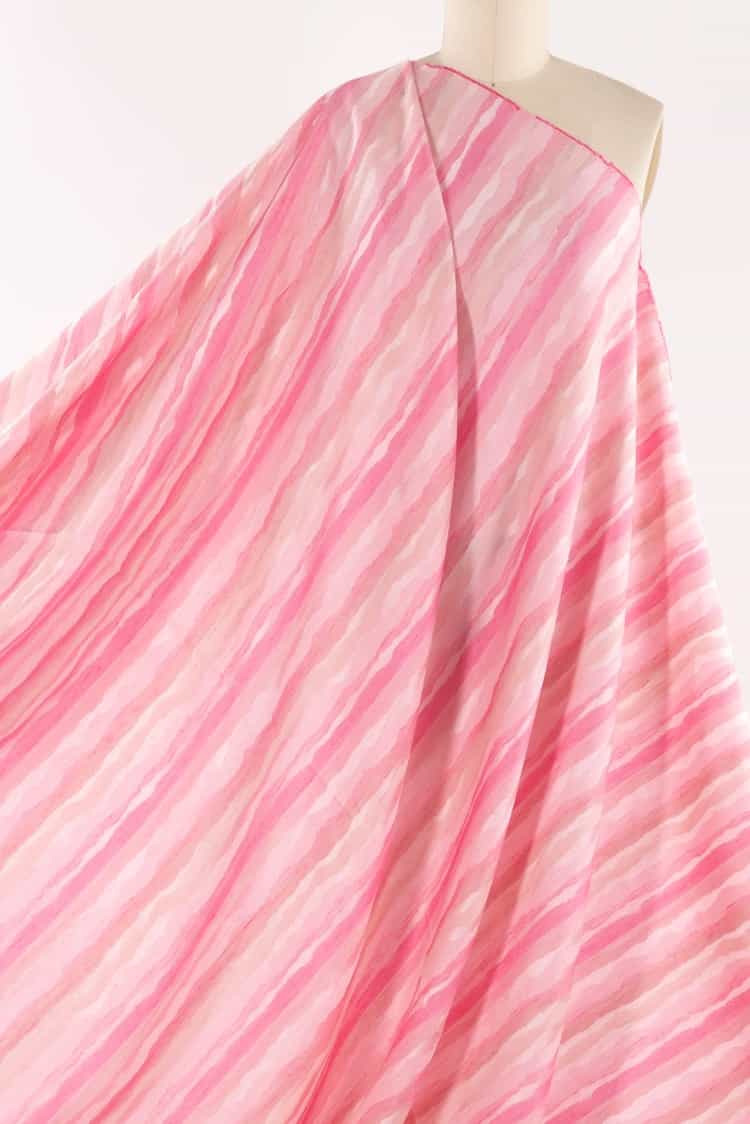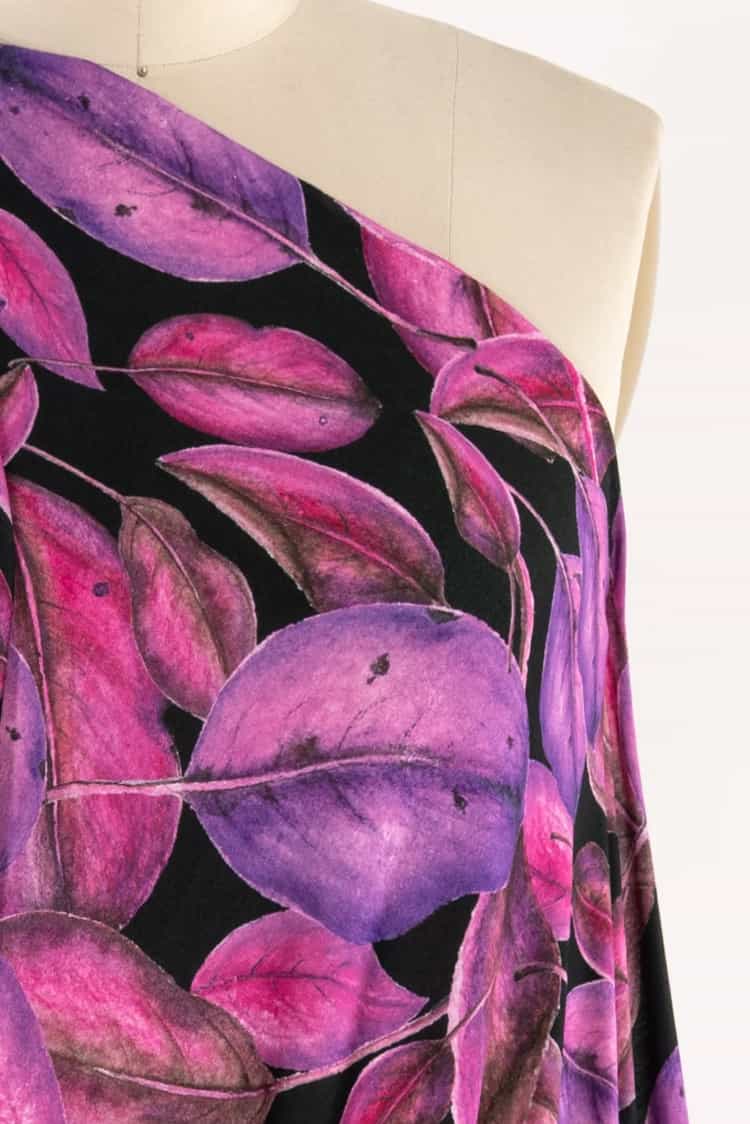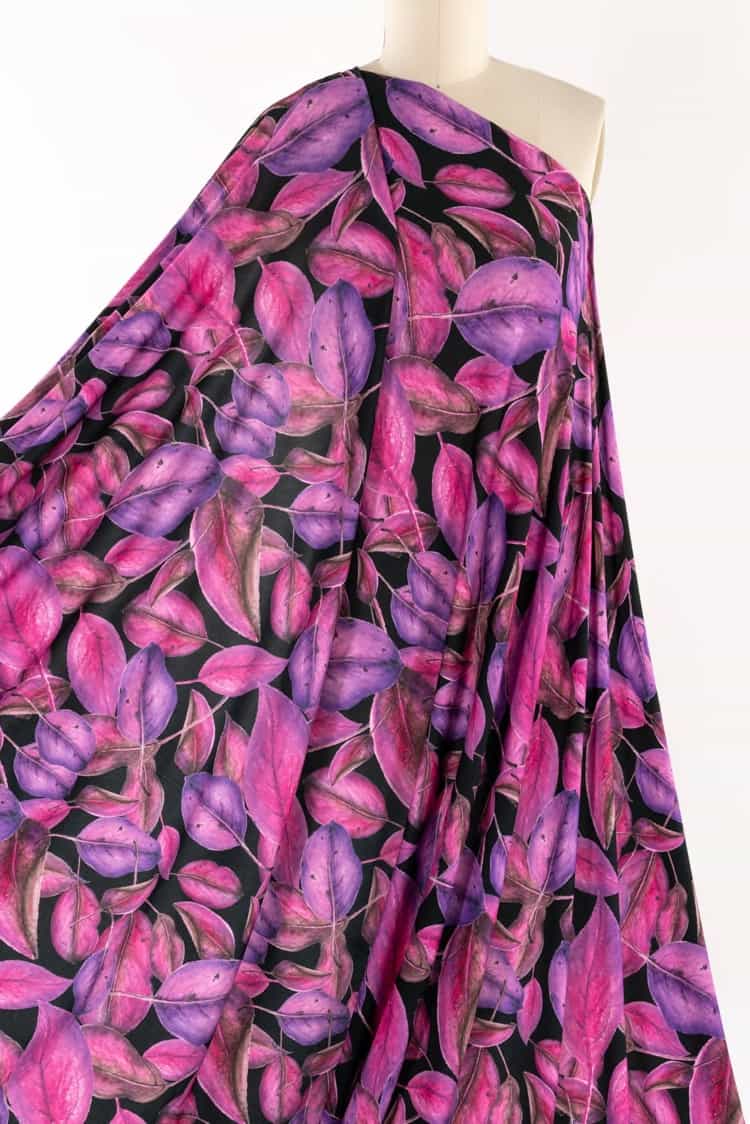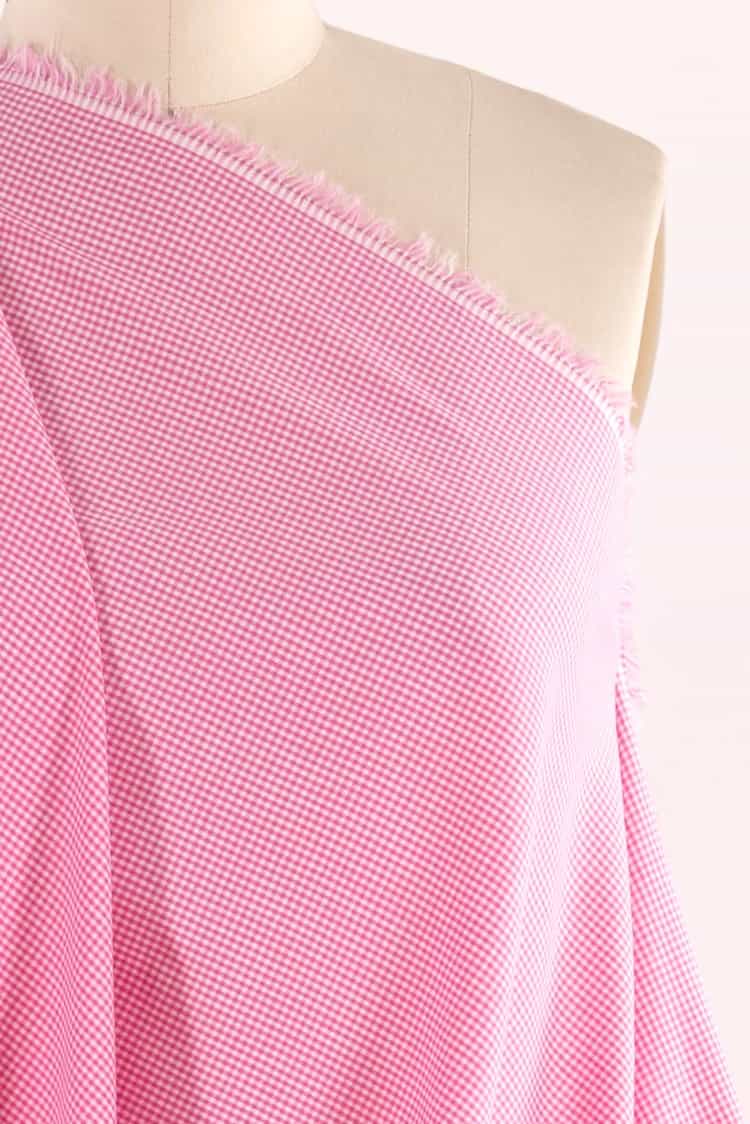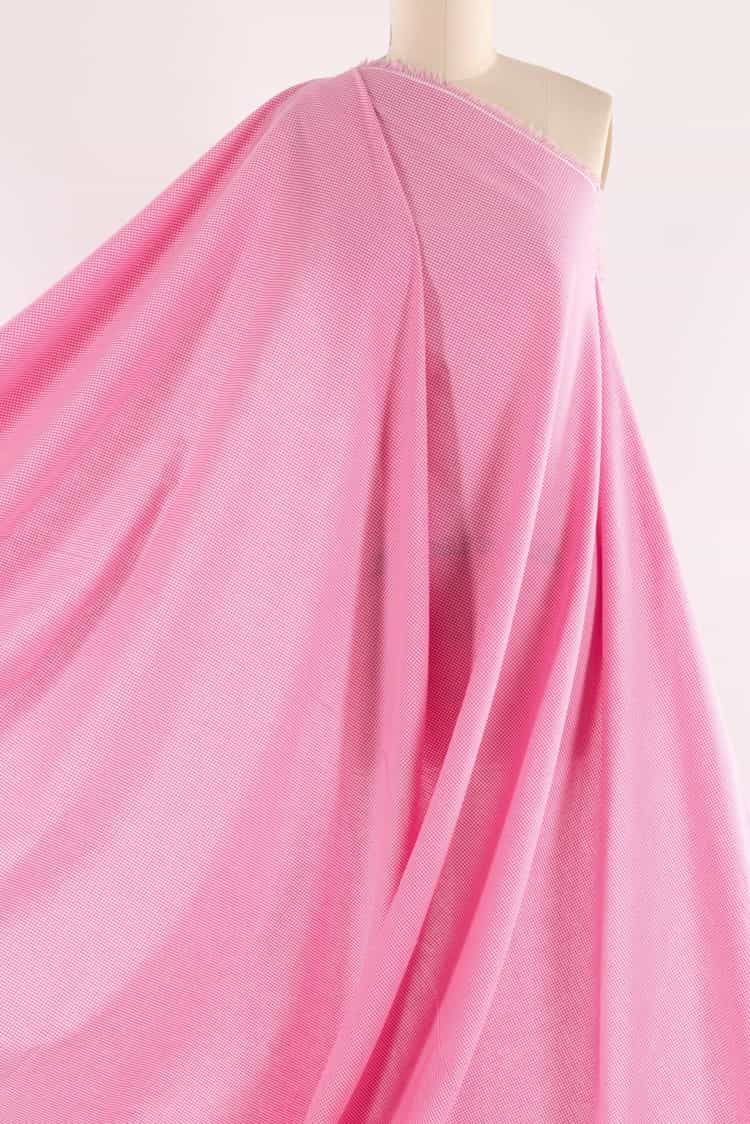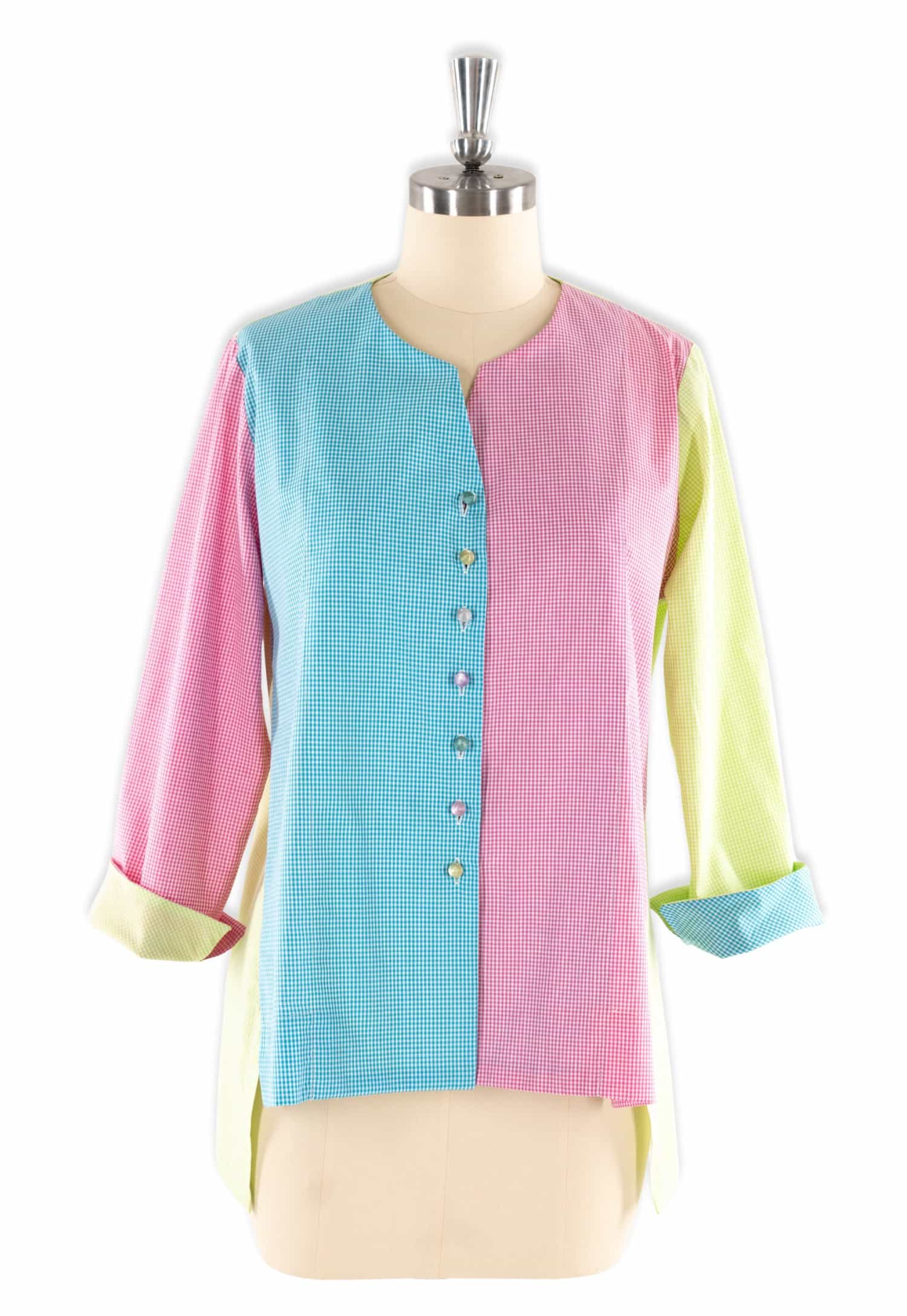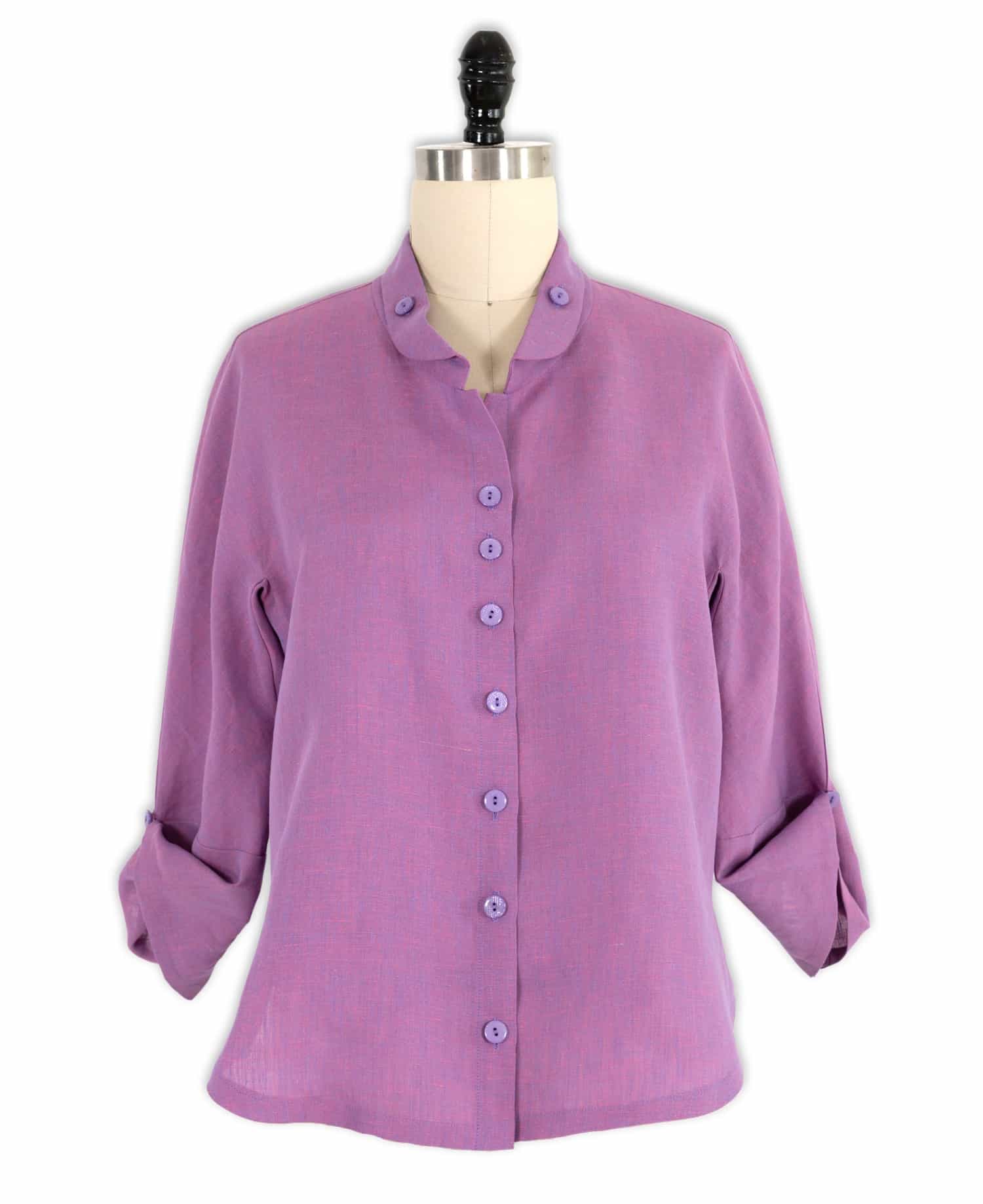

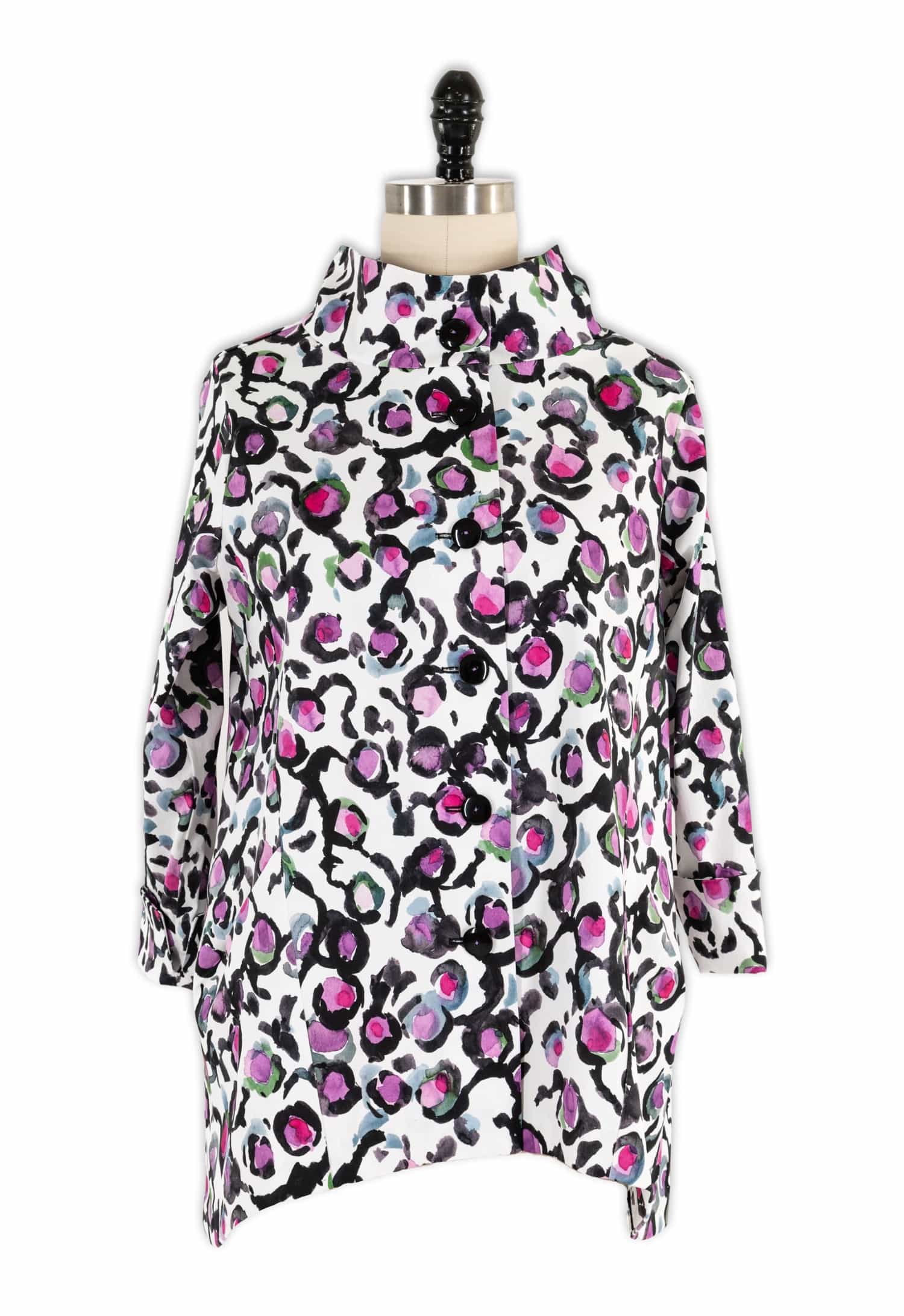
Pink wasn't born feminine. It was born fabulous. Long before nurseries and Valentine's Day, pink belonged to queens, courtiers, and anyone with excellent taste. Madame de Pompadour loved it so much that Sèvres named a shade—Rose Pompadour—after her. Marie Antoinette made it softer, floating through Versailles in pale Rococo silks.
The men joined in too, strutting about in pink waistcoats and breeches because pink was simply a lively shade of red—not a gender assignment. The idea that pink was for girls? Surprisingly new. In 1918, an American trade journal was still recommending pink for boys because it was considered the stronger color. Retailers didn't flip the script until after World War II.
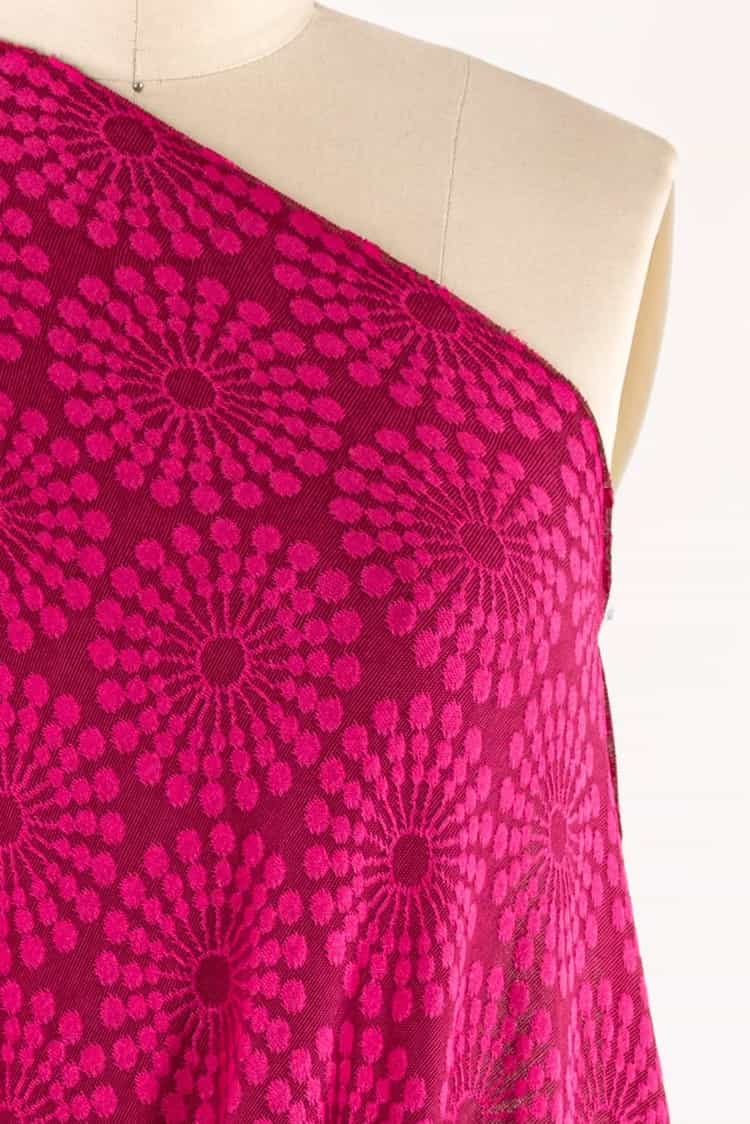
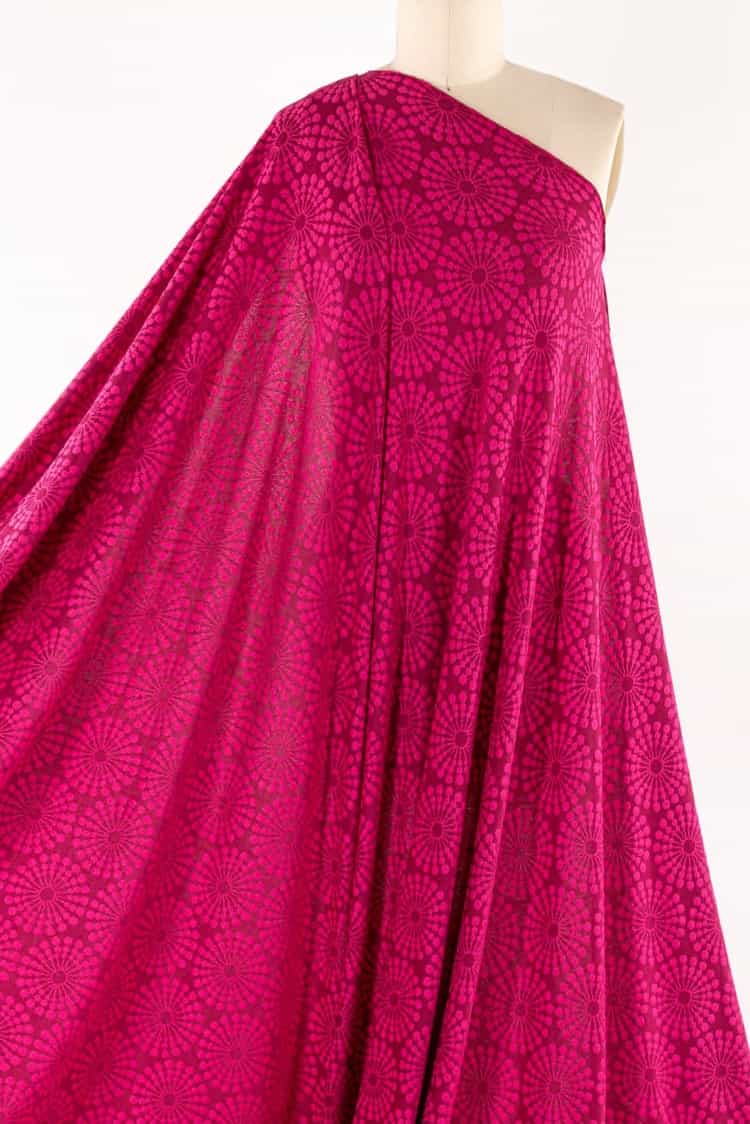
Then the fashion world did what the fashion world does. It took pink and ran with it. Elsa Schiaparelli detonated Shocking Pink in Paris. Mamie Eisenhower turned America rosy with one inaugural gown and a White House full of pink. Hollywood belted out "Think Pink!" and suddenly everyone did. Valentino drenched a Paris runway in Pink PP.
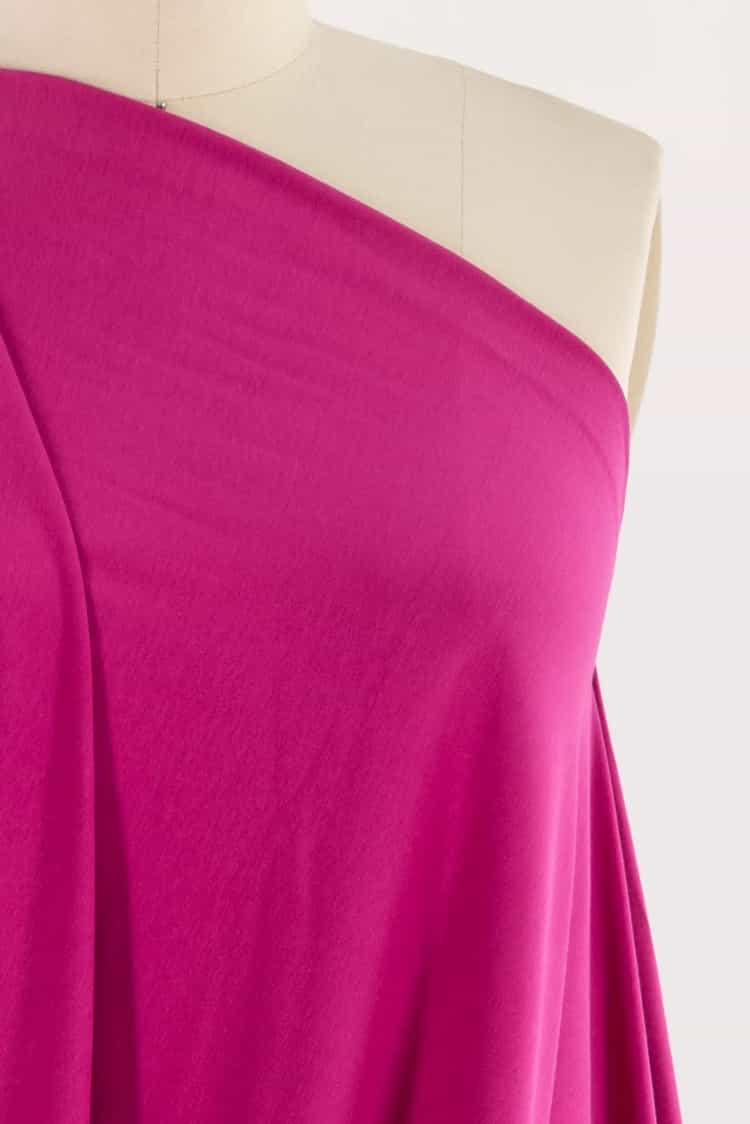
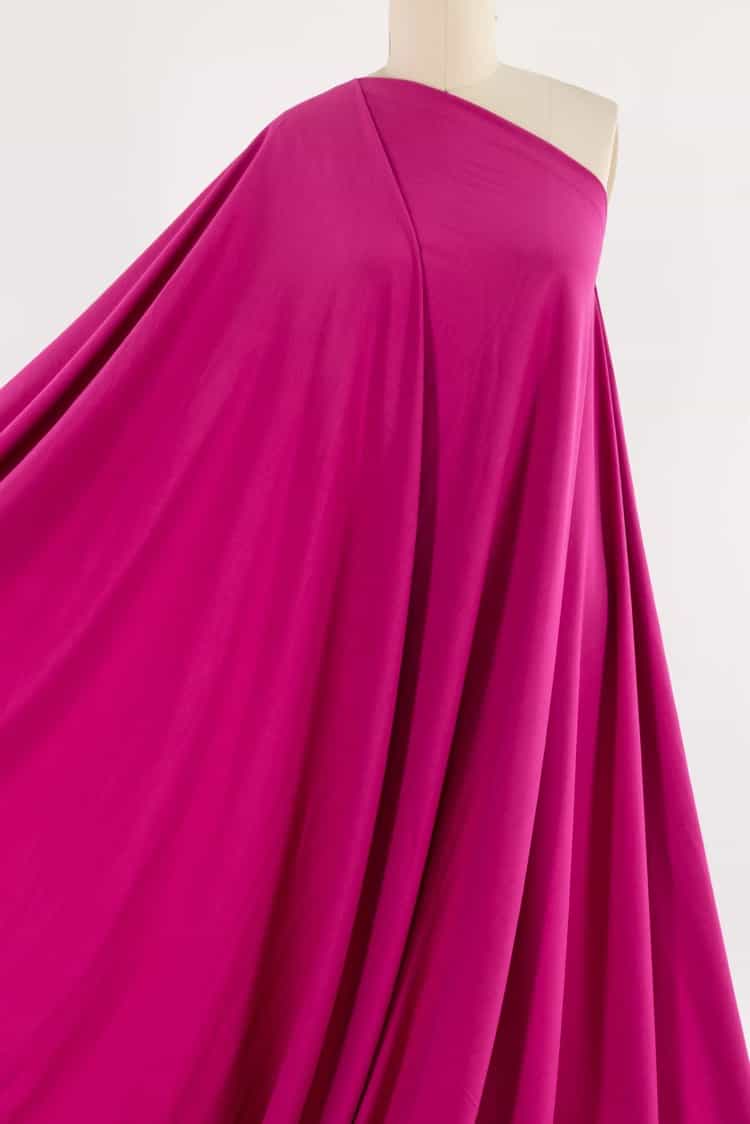
Three hundred years later, pink is still impossible to ignore. It can whisper in blush linen, shout in hot fuchsia, or dance somewhere in between. However you sew it, you're joining one very stylish tradition.